Veg Tan Club

Best Leather Conditioners for Furniture

A sofa is not a handbag. It is a large, finished, usually pigment-coated surface with a seat you sit on and a back nobody touches, and that changes which conditioner is the right one.

By Stephen V.Last updated How we pick

The verdict: Leather Honeyis the one to buy for most sofas and chairs — its listing states it is for bags, boots, furniture and car interiors, it is the non-toxic single-bottle workhorse of the category, and an 8 oz bottle treats far more surface than its size suggests because a few drops cover a panel. If your furniture is tan, cognac or any pale color you do not want to change, Bickmore Bick 4 is the pick: it is the only product here whose maker states outright that it will not darken leather. For a whole three-piece suite in one session, Lexol All Leather Conditioner is explicitly made for large surfaces like furniture and car seats at the lowest cost per panel. If you want the gentler, all-natural route and a cleaner in the same box, Chamberlain’s Leather Milk ships both steps. The budget pick is Weiman Leather Cleaner & Conditioner: the cheapest thing here that does the job on a finished sofa, with UV protection added, bought knowing a 2-in-1 does neither job as thoroughly as two products.

Before any of that, the thing almost nobody says about conditioning furniture. Most leather furniture is pigment-coated, and a coated surface does not drink. Upholstery leather is usually finished with a pigmented top layer precisely so it survives a decade of jeans, dogs and sunlight. That layer is what you are actually treating. A conditioner on coated upholstery keeps the finish flexible so it does not craze at the flex points — it does not soak into the hide the way it would on an unfinished veg-tan wallet, and a product that promises to “feed” your sofa is overstating what is physically available to it.

Which means the real question for furniture is not “which conditioner nourishes best.” It is three much duller questions: does the maker state it will not darken, what surfaces does it state it is safe on, and how much product do you get per dollar — because a sofa is twenty times the area of a handbag. That is how this page is ranked. Prices are live and dated on every button. We have not tested any of these on furniture, and every claim below is read from the product’s own listing.

How this is funded: we earn a commission if you buy through our links, at no extra cost to you. It never changes which product we recommend, and we’ll tell you when we’d skip one. Full disclosure.

Quick picks

Ranked on leather grade, construction and buyer fit. Select a row to jump to the full write-up. We have not handled these items ourselves — here is exactly what we do instead.

#ProductBest forPrice
1
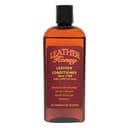
Leather Honey Leather Conditioner (8 oz)

Leather Honey Leather Conditioner (8 oz)

The default all-purpose conditioner and a long-running bestseller: one non-toxic formula for bags, boots, furniture and car interiors. A little goes far, which is why a single bottle lasts most people years.

Best overall
$16.99 · View on Amazon

$27.9939% off

Price as of November 21, 2026. #ad How we’re funded

2
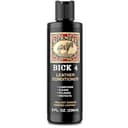
Bickmore Bick 4 Leather Conditioner & Cleaner (8 oz)

Bickmore Bick 4 Leather Conditioner & Cleaner (8 oz)

The won't-darken pick: Bick 4 is explicitly formulated not to darken leather, which makes it the safer choice for tan, cognac and light hides where other conditioners can go muddy.

Best for pale furniture
$12.34 · View on Amazon

$14.9918% off

Price as of November 21, 2026. #ad How we’re funded

3
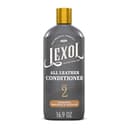
Lexol All Leather Conditioner

Lexol All Leather Conditioner

The value pick: a widely used conditioner for car interiors, furniture and shoes at a low price. A sensible everyday choice for larger jobs like a sofa or car seats where you'll use a lot.

Best for a whole suite
$11.99 · View on Amazon

$12.998% off

Price as of November 21, 2026. #ad How we’re funded

4
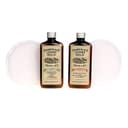
Chamberlain's Leather Milk Conditioner & Cleaner Kit No. 1 (6 oz)

Chamberlain's Leather Milk Conditioner & Cleaner Kit No. 1 (6 oz)

The premium all-natural pick, sold as a two-bottle kit: Straight Cleaner No. 2 to lift dirt, oil spots and denim transfer, then Liniment No. 1 to condition. The listing describes a formula thin enough to absorb without leaving leather greasy or sticky — the choice if you want a gentler feel than a heavy oil.

Best clean-then-condition kit
$34.95 · View on Amazon

$36.705% off

Price as of November 21, 2026. #ad How we’re funded

5
Weiman Leather Cleaner & Conditioner (with UV)

Weiman Leather Cleaner & Conditioner (with UV)

The quick wipe-and-go 2-in-1: cleans and conditions in one pass with added UV protection. Best for maintenance on finished leather like car seats and sofas where you want one bottle and speed.

Budget pick
$9.98 · View on Amazon

Price as of November 21, 2026. #ad How we’re funded

The picks in full

#1Best overall

Leather Honey Leather Conditioner (8 oz)

The default all-purpose conditioner and a long-running bestseller: one non-toxic formula for bags, boots, furniture and car interiors. A little goes far, which is why a single bottle lasts most people years.

Strengths

  • Works across bags, boots, furniture and auto leather
  • A few drops treat a whole bag
  • Non-toxic formula, no added solvents in the listing

Trade-offs

  • Can darken very light or untreated leather — spot-test first
  • Needs a few hours to absorb
TypeConditioner
FormLiquid
Size8 oz
Best forOne conditioner for everything you own

Spec note. Always spot-test a conditioner on a hidden area first: any oil-based conditioner can darken pale or veg-tanned leather.

Specs read from the product listing, on July 18, 2026. “Not published” means the listing does not state that spec.

#2Best for pale furniture

Bickmore Bick 4 Leather Conditioner & Cleaner (8 oz)

The won't-darken pick: Bick 4 is explicitly formulated not to darken leather, which makes it the safer choice for tan, cognac and light hides where other conditioners can go muddy.

Strengths

  • Listing states it won't darken leather
  • Cleans and conditions in one step
  • Trusted long-standing boot-care brand

Trade-offs

  • Lighter conditioning than a heavy oil
  • Still spot-test — 'won't darken' is not 'never darkens'
TypeCleaner + conditioner
FormLiquid
Size8 oz
Best forConditioning light or tan leather without darkening it

Spec note. Bick 4 markets a non-darkening formula, which is the reason to reach for it on pale or veg-tanned leather where an oil-heavy conditioner would darken the hide.

Specs read from the product listing, on July 18, 2026. “Not published” means the listing does not state that spec.

#3Best for a whole suite

Lexol All Leather Conditioner

The value pick: a widely used conditioner for car interiors, furniture and shoes at a low price. A sensible everyday choice for larger jobs like a sofa or car seats where you'll use a lot.

Strengths

  • Low price for the volume
  • Made for large surfaces like furniture and auto
  • Easy liquid application

Trade-offs

  • Basic conditioning vs. premium formulas
  • Not the pick for fine, pale handbag leather
TypeConditioner
FormLiquid
SizeNot published
Best forBig jobs — sofas, car seats — on a budget

Specs read from the product listing, on July 18, 2026. “Not published” means the listing does not state that spec.

#4Best clean-then-condition kit

Chamberlain's Leather Milk Conditioner & Cleaner Kit No. 1 (6 oz)

The premium all-natural pick, sold as a two-bottle kit: Straight Cleaner No. 2 to lift dirt, oil spots and denim transfer, then Liniment No. 1 to condition. The listing describes a formula thin enough to absorb without leaving leather greasy or sticky — the choice if you want a gentler feel than a heavy oil.

Strengths

  • Both steps in one box — Straight Cleaner No. 2, then Liniment No. 1 conditioner
  • Ships with two reusable cotton terry applicator pads
  • All-natural, non-toxic formulas, made in the USA per the listing
  • Listing states it is the recipe Saddleback Leather conditions its own goods with

Trade-offs

  • Costs more than a single-bottle workhorse conditioner
  • You buy the cleaner too, even if you already own one
  • Still spot-test on pale leather
TypeCleaner + conditioner kit
FormTwo-bottle kit
Size6 oz
Best forCleaning and then conditioning fine bags, in one kit

Specs read from the product listing, on September 1, 2026. “Not published” means the listing does not state that spec.

#5Budget pick

Weiman Leather Cleaner & Conditioner (with UV)

The quick wipe-and-go 2-in-1: cleans and conditions in one pass with added UV protection. Best for maintenance on finished leather like car seats and sofas where you want one bottle and speed.

Strengths

  • Cleans and conditions in one step
  • Adds UV protection against fading
  • Cheap and fast

Trade-offs

  • A 2-in-1 does neither job as thoroughly as separate products
  • Not for unfinished or veg-tanned leather
TypeCleaner + conditioner
FormLiquid / spray
SizeNot published
Best forFast 2-in-1 maintenance on finished leather

Specs read from the product listing, on July 18, 2026. “Not published” means the listing does not state that spec.

First, work out which kind of leather furniture you have

This takes thirty seconds and it decides everything that follows. Find an inconspicuous spot — the back of the sofa, under a cushion — and put one drop of water on it.

If the drop sits on the surface as a bead, it is finished (pigmented or semi-aniline) leather. This is most leather furniture sold in the last thirty years. The hide is sealed, so you are maintaining a coating. Any of the five picks here is appropriate, and the deciding factors are darkening, stated surface safety and volume.

If the drop darkens the spot and soaks in within a few seconds, it is aniline or unfinished leather. This is rarer, more expensive, and much more vulnerable. It will absorb whatever you put on it, which means it will change color, and it means an oil-heavy product can go blotchy. Here the Bick 4 is the right first try precisely because of its stated non-darkening formulation, and you must test on a hidden panel first.

And if the surface is suede or nubuck, stop.No conditioner on this page belongs on a napped surface — it will mat the nap permanently. Nubuck vs. suede covers how to tell them apart, and the answer for those is a brush and a dedicated napped-leather product, not a cream.

The three things that separate these five

1. Whether the maker states it will not darken.One of the five does — Bick 4 is explicitly formulated and marketed as non-darkening, which is the reason it exists as a separate product from every oil-based balm. One of the five states the opposite risk in its own terms: Leather Honey’s own guidance is to spot-test because it can darken very light or untreated leather. The other three say nothing either way, and silence is not a promise. On furniture this matters more than on any other leather you own, because you cannot hide a two-tone sofa in a drawer. Treat a hidden-area test as mandatory, every time, on every product.

2. What surfaces the listing states it is safe for. Three of the five name furniture or car interiors outright: Leather Honey (bags, boots, furniture, auto), Lexol (car interiors, furniture, shoes) and Weiman (finished leather including car seats and sofas). Those named use cases are the disclosure we rank on, because a product sold for boots and silent about upholstery has told you less. Two others are general-purpose and do not call out furniture specifically.

3. Volume against the area you have to cover.A sofa is roughly twenty times the surface of a handbag, and this is where furniture buying diverges sharply from everything else on this site. An 8 oz bottle is generous for bags and marginal for a three-piece suite. Leather Honey and Bick 4 both publish 8 oz; Chamberlain’s publishes 6 oz as a two-bottle kit. Where a listing does not publish a volume we say so rather than guess, and the honest guidance is to buy the larger size of whichever product you choose if you have more than one piece to do.

Conditioner, cleaner, or both? And in which order?

Getting this wrong is the most common way people waste an afternoon on a sofa.

Clean first, always, and let it dry.Conditioning over body oils, dust and denim transfer seals the dirt into the finish rather than removing it, and on a seat cushion that is exactly where the grime is. Two of these five are 2-in-1 products that do both passes in one wipe, which is a genuine convenience on a large area and a genuine compromise on a dirty one — leather cleaner vs. conditioner sets out why they are different jobs. If the sofa has not been cleaned in years, use a dedicated cleaner first; our best leather cleaners page is the field, and how to remove stains from leather covers the specific marks a sofa collects.

Condition the places that flex, not the whole thing equally. A sofa fails in a predictable order: the seat cushion front edge first, then the arm tops, then the seat back where your shoulders press. The outer back panel almost never fails because nobody touches it. Put the product where the movement is. Why leather cracks explains the mechanism you are preventing, and how often to condition leather covers the schedule — twice a year is plenty for furniture, and more is not better.

And know when a conditioner is the wrong product entirely.If the color has gone gray, patchy and thin, you have a pigment problem rather than a dryness problem and a conditioner will not bring it back — how to restore faded leather is the page, and a recoloring balm is the tool. If the surface is actually split, torn or holed, you need a repair kit instead, and best leather repair kits covers the furniture-oriented ones. The order matters if you need both: repair first, then condition, because a conditioner underneath stops the filler bonding, which is the finding our leather care kits page is built around.

What none of these five will tell you

An ingredient list.Not one of the five publishes one. “Non-toxic” is a hazard claim, “all-natural” is a marketing category with no enforced definition, and neither tells you whether the product is a lanolin cream, a neatsfoot-type oil, a silicone emulsion or a wax. That is why every pick on this page is ranked on stated behavior— will it darken, what is it safe on, how much is in the bottle — rather than on formulation, and we flag it rather than inferring a recipe from the smell of the marketing.

A coverage figure. None states square feet per bottle, which is the number a furniture buyer most needs. Our practical read: an 8 oz bottle will comfortably do a two-seat sofa and a chair with a light hand, and will not do a large sectional in one session.

Whether it is safe on your specific finish. Only one of the five is explicit about what it rules out. That is exactly why the water-drop test above and a hidden-panel patch test are not optional steps.

The five, side by side

Every cell is read from the product listing or marked “Not published.”

ProductTypeFurniture named?Non-darkening claim
Leather Honey (8 oz)Conditioner, liquidYes, with car interiorsNo — states it can darken pale hides
Bickmore Bick 4 (8 oz)Cleaner + conditioner, liquidNot specificallyYes, stated
Lexol All Leather ConditionerConditioner, liquidYes, with car interiorsNot published
Chamberlain’s Leather Milk (6 oz kit)Cleaner + conditioner kitNot specificallyNot published
Weiman Cleaner & ConditionerCleaner + conditioner, liquid/sprayYes, finished leather and sofasNot published

One non-darkening claim, three that name furniture, zero ingredient lists and zero coverage figures, across five products. If you want the same test applied to footwear instead, our conditioners for boots page ranks on the same three questions, and best leather conditioners is the whole field without a use case attached.

The two things that undo all of this

Heat.A sofa against a radiator, a chair in a bay window in July, or a hair dryer used to speed up a damp patch — all three do permanent damage that no conditioner reverses, because heat drives moisture out of the hide and shrinks the fiber structure. Our page on drying wet leathermakes the same point for bags and the physics is identical. If the furniture is in direct sun, Weiman’s stated UV protection is a real reason to prefer it, and moving the furniture is a better one.

Over-conditioning. More product more often does not produce softer leather; it produces a surface that stays tacky, attracts dust and transfers onto clothes. Twice a year is the right cadence for furniture and once a year is fine for a piece nobody sits on. If a sofa feels greasy a day later, you used too much, and the fix is a dry cloth now and less product next time.

One closing note on method. We have not tested any of these products on furniture or anywhere else. Every claim above is read from the product’s own listing on the date shown on each card, every price renders from the live price layer rather than a figure typed into this page, and no formulation, coverage or safety claim is asserted that a listing does not state. The full rules are on our methodology page.
Frequently asked questions

What is the best leather conditioner for furniture?

Leather Honey for most sofas and chairs - its listing names furniture and car interiors explicitly, it is a non-toxic single-bottle product, and a few drops cover a large panel, which matters when a sofa is roughly twenty times the surface of a handbag. The important exception is color: Leather Honey's own guidance is to spot-test because it can darken very light or untreated leather. If your furniture is tan, cognac or any pale shade you do not want changed, Bickmore Bick 4 is the pick, because it is the only product here whose maker states it will not darken leather.

Does leather furniture actually need conditioning?

Yes, but less often and for a different reason than people assume. Most leather furniture is pigment-coated so it survives a decade of use, and a coated surface does not absorb product the way an unfinished hide does. What you are doing is keeping that finish flexible so it does not craze at the flex points - the front edge of the seat cushion, the arm tops, the seat back. Twice a year is plenty, and the outer back panel barely needs it at all because nobody touches it.

How do I know what kind of leather my sofa is?

Put one drop of water on an inconspicuous spot and watch it. If it beads and sits on the surface, the leather is finished - pigmented or semi-aniline - which covers most furniture sold in the last thirty years, and any of the five picks here is appropriate. If it darkens the spot and soaks in within seconds, it is aniline or unfinished leather: it will absorb whatever you apply, so it will change color and an oil-heavy product can go blotchy. If the surface has a nap, it is suede or nubuck and none of these products belongs on it.

Will leather conditioner darken my sofa?

It can, and only one of these five makes a claim either way. Bick 4 is explicitly formulated and marketed as non-darkening, which is why it exists as a separate product from oil-based balms. Leather Honey states the opposite risk in its own guidance - spot-test, because it can darken very light or untreated leather. The other three say nothing, and silence is not a promise. On furniture this matters more than on anything else you own, because you cannot hide a two-tone sofa, so treat a hidden-panel patch test as mandatory with every product.

Should I clean a leather sofa before conditioning it?

Always, and let it dry first. Conditioning over body oils, dust and denim transfer seals the dirt into the finish instead of removing it, and on a seat cushion that is precisely where the grime is. Two of the five picks here are 2-in-1 products that do both passes in one wipe, which is a real convenience across a large area and a real compromise on a sofa that has not been touched in years. If it is genuinely dirty, use a dedicated cleaner first and condition afterwards.

How much conditioner do I need for a leather sofa?

More than you would think, and no listing here publishes a coverage figure, which is the single most useful missing number for a furniture buyer. Our practical read from the volumes that are published - 8 oz on two of the picks, a 6 oz two-bottle kit on another - is that 8 oz will comfortably do a two-seat sofa plus a chair with a light hand, and will not do a large sectional in one session. If you have more than one piece, buy the larger size of whichever product you choose.

My leather sofa has gone faded and gray. Will a conditioner fix it?

No. Faded, patchy, thin-looking color is a pigment problem rather than a dryness problem, and a conditioner will make the surface supple without putting any color back. What you want for that is a recoloring balm, which re-pigments a whole panel evenly. If the surface is actually split, torn or holed, you need a furniture repair kit instead - and if you need both, repair first and condition afterwards, because a conditioner underneath stops the filler bonding to the leather.

Sources

Keep reading