Veg Tan Club

Best Leather Conditioners for Boots

Boots are the hardest job in leather care: creased at the vamp, soaked at the welt, dried out at the heel. Five products compared on the one question that decides the buy - will it darken them?

By Stephen V.Last updated How we pick

The verdict: Otter Wax Boot Waxis the one to buy for boots you actually wear outdoors, because it is the only product here whose ingredients are fully stated — beeswax and lanolin, with silicone, petroleum, dyes and PFAS explicitly ruled out — and a rub-on wax is what a welt and a vamp crease need rather than a thin liquid. If your boots are tan, cognac or any pale shade you want to keep, buy Bick 4 instead: it is the one product on this page whose listing states it will not darken leather. The budget pick is Nikwax Waterproofing Wax, the cheapest here and the most specific about its chemistry — with a limitation printed in its own first line.

Boots fail differently from bags and belts, which is why the product choice is different too. A boot flexes hard at one spot — the vamp crease across the ball of the foot — thousands of times a week, sits in water at the welt where the upper meets the sole, and then gets dried by a radiator or a car heater by someone in a hurry. That combination is what cracks boots: the crease loses its oils, the fibers go brittle, and the crack starts in the one place the leather cannot stop moving. A conditioner is not cosmetic maintenance on a boot; it is the only thing standing between a crease and a split.

So this page ranks on three published facts and nothing else: whether the maker states it will not darken (one of five does), what the maker states is in it (two of five say anything at all), and which surfaces the maker declares it safe on (one rules out suede and nubuck in writing, which is a disclosure rather than a weakness). Nothing here was tested by us. Every claim is read from a live listing on the date printed on its card, and where a listing publishes no chemistry we say so rather than inventing it.

How this is funded: we earn a commission if you buy through our links, at no extra cost to you. It never changes which product we recommend, and we’ll tell you when we’d skip one. Full disclosure.

Quick picks

Ranked on leather grade, construction and buyer fit. Select a row to jump to the full write-up. We have not handled these items ourselves — here is exactly what we do instead.

#ProductBest forPrice
1
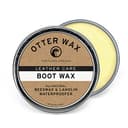
Otter Wax Boot Wax Leather Waterproofing Sealant (5 oz)

Otter Wax Boot Wax Leather Waterproofing Sealant (5 oz)

The rub-on alternative to a spray, and the only pick here whose ingredients are fully stated: beeswax and lanolin, with the listing explicitly ruling out silicone, petroleum, dyes and PFAS. A wax sits heavier than a spray and gives real weather protection — but it is a dressing, and dressings change how leather looks.

Best overall for boots
$16.95 · View on Amazon

Price as of November 12, 2026. #ad How we’re funded

2
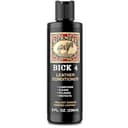
Bickmore Bick 4 Leather Conditioner & Cleaner (8 oz)

Bickmore Bick 4 Leather Conditioner & Cleaner (8 oz)

The won't-darken pick: Bick 4 is explicitly formulated not to darken leather, which makes it the safer choice for tan, cognac and light hides where other conditioners can go muddy.

Best for pale leather
$12.99 · View on Amazon

$14.9913% off

Price as of November 12, 2026. #ad How we’re funded

3
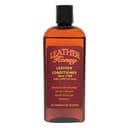
Leather Honey Leather Conditioner (8 oz)

Leather Honey Leather Conditioner (8 oz)

The default all-purpose conditioner and a long-running bestseller: one non-toxic formula for bags, boots, furniture and car interiors. A little goes far, which is why a single bottle lasts most people years.

Best all-purpose
$19.99 · View on Amazon

$27.9929% off

Price as of November 12, 2026. #ad How we’re funded

4
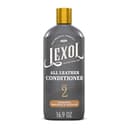
Lexol All Leather Conditioner

Lexol All Leather Conditioner

The value pick: a widely used conditioner for car interiors, furniture and shoes at a low price. A sensible everyday choice for larger jobs like a sofa or car seats where you'll use a lot.

Best for several pairs
$11.99 · View on Amazon

$13.058% off

Price as of November 12, 2026. #ad How we’re funded

5
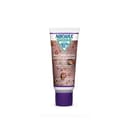
Nikwax Waterproofing Wax for Leather (creme, 3.4 fl oz)

Nikwax Waterproofing Wax for Leather (creme, 3.4 fl oz)

The cheapest way into this category and the most specific about its chemistry: water-based, PFAS-free, no optical brighteners, no added scent, applied with the sponge on the bottle. The catch is in its own first line — smooth leather only.

Budget pick
$5.98 · View on Amazon

$10.4543% off

Price as of November 12, 2026. #ad How we’re funded

The picks in full

#1Best overall for boots

Otter Wax Boot Wax Leather Waterproofing Sealant (5 oz)

The rub-on alternative to a spray, and the only pick here whose ingredients are fully stated: beeswax and lanolin, with the listing explicitly ruling out silicone, petroleum, dyes and PFAS. A wax sits heavier than a spray and gives real weather protection — but it is a dressing, and dressings change how leather looks.

Strengths

  • Ingredients stated — beeswax and lanolin — rather than described as a formula
  • Listing states PFAS-free, no silicone, no petroleum, no dyes
  • Rub-on wax, so nothing is airborne and nothing is wasted in overspray
  • Made in Portland, USA per the listing

Trade-offs

  • The listing says it is safe on all colors but makes no claim that it will not darken — a wax dressing normally deepens color and raises sheen
  • Wrong product for suede or nubuck: a wax mats the nap
  • Hand application takes real time on a bag, and it is messier than a spray
  • Written for boots, hats and rain gear; bags are one line in the copy
TypeWaterproofing wax / sealant
FormWax paste
Size5 oz
Best forHeavy weather protection on rugged, already-dark leather

Spec note. Read the two color claims apart from each other. "Safe to use on all colors of leather" is a damage claim; "won't darken" is an appearance claim. This listing makes the first and not the second, which is the honest position for a beeswax dressing.

Specs read from the product listing, on October 18, 2026. “Not published” means the listing does not state that spec.

#2Best for pale leather

Bickmore Bick 4 Leather Conditioner & Cleaner (8 oz)

The won't-darken pick: Bick 4 is explicitly formulated not to darken leather, which makes it the safer choice for tan, cognac and light hides where other conditioners can go muddy.

Strengths

  • Listing states it won't darken leather
  • Cleans and conditions in one step
  • Trusted long-standing boot-care brand

Trade-offs

  • Lighter conditioning than a heavy oil
  • Still spot-test — 'won't darken' is not 'never darkens'
TypeCleaner + conditioner
FormLiquid
Size8 oz
Best forConditioning light or tan leather without darkening it

Spec note. Bick 4 markets a non-darkening formula, which is the reason to reach for it on pale or veg-tanned leather where an oil-heavy conditioner would darken the hide.

Specs read from the product listing, on July 18, 2026. “Not published” means the listing does not state that spec.

#3Best all-purpose

Leather Honey Leather Conditioner (8 oz)

The default all-purpose conditioner and a long-running bestseller: one non-toxic formula for bags, boots, furniture and car interiors. A little goes far, which is why a single bottle lasts most people years.

Strengths

  • Works across bags, boots, furniture and auto leather
  • A few drops treat a whole bag
  • Non-toxic formula, no added solvents in the listing

Trade-offs

  • Can darken very light or untreated leather — spot-test first
  • Needs a few hours to absorb
TypeConditioner
FormLiquid
Size8 oz
Best forOne conditioner for everything you own

Spec note. Always spot-test a conditioner on a hidden area first: any oil-based conditioner can darken pale or veg-tanned leather.

Specs read from the product listing, on July 18, 2026. “Not published” means the listing does not state that spec.

#4Best for several pairs

Lexol All Leather Conditioner

The value pick: a widely used conditioner for car interiors, furniture and shoes at a low price. A sensible everyday choice for larger jobs like a sofa or car seats where you'll use a lot.

Strengths

  • Low price for the volume
  • Made for large surfaces like furniture and auto
  • Easy liquid application

Trade-offs

  • Basic conditioning vs. premium formulas
  • Not the pick for fine, pale handbag leather
TypeConditioner
FormLiquid
SizeNot published
Best forBig jobs — sofas, car seats — on a budget

Specs read from the product listing, on July 18, 2026. “Not published” means the listing does not state that spec.

#5Budget pick

Nikwax Waterproofing Wax for Leather (creme, 3.4 fl oz)

The cheapest way into this category and the most specific about its chemistry: water-based, PFAS-free, no optical brighteners, no added scent, applied with the sponge on the bottle. The catch is in its own first line — smooth leather only.

Strengths

  • Water-based and PFAS-free per the listing, with no added scent or optical brighteners
  • States it adds repellency while reviving breathability and without over-softening
  • Sponge-on applicator built into the bottle — no cloth, no overspray
  • Lowest price of the five protectants here

Trade-offs

  • Smooth leather only — the listing does not cover suede or nubuck
  • Smallest published volume on this page
  • No non-darkening claim at all, and a creme worked into pale leather can shade it
  • Written for footwear, gloves and waterproof-membrane boots rather than bags
TypeWaterproofing wax (creme)
FormCreme with sponge applicator
Size3.4 fl oz
Best forSmooth-leather boots, gloves and bag bases on a budget

Spec note. Nikwax is the only maker here that publishes a full chemistry line — water-based, PFAS-free, non-persistent, no optical brighteners, no added scent. It is also the only one that limits itself in writing to smooth leather, which is a disclosure, not a weakness.

Specs read from the product listing, on October 18, 2026. “Not published” means the listing does not state that spec.

Wax or liquid: the actual decision

Everything on this page falls into one of two families, and they do different jobs.

A wax or creme sits on and just under the surface. It adds real water repellency, fills the micro-cracks in a crease, and deepens color and raises sheen as a side effect. It is the right product for a work boot, a hiking boot or anything that meets weather, and the wrong product for a dress boot you want to keep matte. It is also the slower application: hand-rubbed, section by section, and genuinely messy on a tall boot.

A liquid conditionersoaks in. It carries oils and fats into the fiber structure where the flexing happens, which is what actually prevents a crack, and it adds little or no water resistance. It is the right product for a boot that has gone stiff and dry, and the faster application by a wide margin — a few drops on a cloth treats a whole pair.

The honest answer for most people who wear leather boots outdoors is both, in order: condition first so the fibers are supple, let it absorb for a few hours, then wax the outside for weather. One product does not do both jobs well, and any listing that claims it does is selling a compromise. The difference between a conditioner and an oil is covered in leather conditioner vs. leather oil, and the general technique in how to condition leather.

The five, side by side

Every cell is read from the listing or marked “Not published.” Current prices sit on the Check price button in each row of the table above.

 Otter WaxBick 4Leather HoneyLexolNikwax
FormWax paste, rub-onLiquidLiquidLiquidCreme, sponge applicator
Won't-darken claimNo such claim (says safe on all colors)Yes - states it will not darkenNo - can darken pale leatherNot publishedNo such claim at all
Ingredients statedBeeswax and lanolinNot publishedNot published (states non-toxic)Not publishedWater-based, PFAS-free, no brighteners, no scent
Adds water repellencyYes - sealantNo - conditions and cleansNo - conditionsNo - conditionsYes - waterproofing wax
Safe on suede or nubuckNo - a wax mats the napNot publishedNot publishedNot publishedNo - smooth leather only, stated
Volume published5 oz8 oz8 ozNot published3.4 fl oz
Country of manufactureUSA (Portland), per the listingNot publishedNot publishedNot publishedNot published

The row that should decide your purchase is the won’t-darken claim, and it is worth reading carefully because three different things get confused here. “Safe to use on all colors of leather” is a damageclaim: it says the product will not harm the finish. “Won’t darken” is an appearanceclaim: it says the color will not deepen. Silence is neither. Of the five, exactly one makes the appearance claim, one makes the damage claim and explicitly does not make the appearance one — which is the honest position for a beeswax dressing — and three say nothing on the subject. Assume anything oil- or wax-based will deepen the color unless the maker says otherwise, and spot-test on the inside of the heel counter every single time.

The second row worth staring at is ingredients: two of five state anything and three publish nothing. That is the category norm, and it is the reason the two that do say something sit first and last on this page rather than in the middle — one for the strength of its ingredient disclosure, one for the price at which it makes an unusually complete chemistry statement. Neither is a test result; both are claims we can quote and you can check.

What actually cracks a boot, and in what order

The sequence is consistent enough to plan maintenance around. First the vamp crease dries: the leather across the ball of the foot flexes on every step, the oils migrate out of the fold, and the surface goes pale and fibrous along the line. Then it crazes— fine lines appear along the crease, and on a corrected or coated upper the finish lifts before the leather does. Then the welt area goes, because it is the part that stands in water and dries hardest. Then stitching at the flex point, where the thread is doing the most work. The upper panels themselves are almost never the problem.

Which tells you where the product goes: the crease and the welt, not the whole boot. A heavy coat over a clean quarter panel does nothing except darken it. Work product into the vamp crease with the boot flexed over your hand so the fold opens, then the welt, then a thin pass everywhere else. Why leather cracks in the first place is in why leather cracks, and the stiffness case is in how to soften stiff leather.

Two mistakes undo all of it. Drying boots with heat— radiator, wood stove, car heater, hair dryer — drives the oils out of the hide faster than any amount of conditioner puts them back, and that damage is permanent. Wet boots get newspaper, a boot tree or nothing at all, at room temperature, away from every heat source; how to dry wet leather applies exactly. And over-conditioningmakes leather spongy and weak: oils are a fiber lubricant, not a structural material, and a boot saturated twice a month will stretch out of shape and lose its stiffness permanently. Twice a year is right for most wearers, more only if the boots get soaked repeatedly — the frequency argument is in how often to condition leather.

Suede, nubuck and oiled leather: do not use these

Two of the five products here are declared for smooth leather only, and that restriction applies in practice to all five. A wax or an oil on suede or nubuck mats the nap permanently— the raised fibers that make the surface lie down and go dark and shiny, and there is no undoing it. Suede and nubuck want a dedicated spray and a brush, not a conditioner; the materials are explained in nubuck vs. suede and the spray options are on best leather protector sprays.

Heavily oiled or waxed boot leathers — crazy horse, pull-up and similar finishes — need much less than people think, because the wax in the hide is already doing the conditioner’s job. A liquid conditioner on a waxed upper goes blotchy and can darken it several shades in one go. If that is what you own, a light wax dressing on the crease and nothing else is the whole routine; see what pull-up leather is.

Which one for you

If your boots meet weather:Otter Wax Boot Wax. The only product here whose ingredients are fully stated — beeswax and lanolin, with silicone, petroleum, dyes and PFAS explicitly excluded — made in Portland, and rub-on so nothing is airborne and nothing is wasted. It makes no won’t-darken claim and a wax dressing normally deepens color and raises sheen; it is wrong for suede or nubuck; and hand application takes real time.

If your boots are tan, cognac or pale:Bick 4. The one product on this page whose listing states it will not darken leather, and it cleans and conditions in one step, from a long-standing boot-care brand. It conditions more lightly than a heavy oil, and “won’t darken” is still not “never darkens” — spot-test.

If you want one bottle for boots and everything else: Leather Honey. One non-toxic formula across boots, bags, furniture and car interiors, and a few drops treat a whole item, which is why a bottle lasts most people years. It can darken very light or untreated leather, and it needs a few hours to absorb before wear.

If you are doing several pairs at once:Lexol. A widely used conditioner made for large surfaces at a low price per volume — the sensible choice when you are working through a family’s boots or a car interior as well. Basic conditioning rather than a premium formula, and not the pick for fine pale leather.

If the budget is the point:Nikwax Waterproofing Wax. The cheapest product here and the most specific about its chemistry: water-based, PFAS-free, no optical brighteners, no added scent, with the sponge applicator built into the bottle. Read its own first line — smooth leather only — note that it is the smallest volume here, and understand that it makes no non-darkening claim at all, so a creme worked into pale leather can shade it. Every rule behind these picks is on our methodology page.
Frequently asked questions

What is the best conditioner for leather boots?

For boots worn outdoors, Otter Wax Boot Wax - it is the only product here whose ingredients are fully stated (beeswax and lanolin, with silicone, petroleum, dyes and PFAS explicitly ruled out), and a rub-on wax is what a vamp crease and a welt need rather than a thin liquid. For tan, cognac or pale boots you want to keep light, Bick 4 is the pick: it is the one product on this page whose listing states it will not darken leather.

Will leather conditioner darken my boots?

Assume yes unless the maker specifically says otherwise, and read the claims apart. 'Safe on all colors' is a damage claim - it means the product will not harm the finish. 'Won't darken' is an appearance claim about the color. Of the five products here, one makes the appearance claim, one makes the damage claim and deliberately does not make the appearance one, and three say nothing at all. Spot-test on the inside of the heel counter every time.

How often should I condition my boots?

Twice a year suits most wearers, and more only if the boots get soaked repeatedly. Over-conditioning is a real problem: oils are a fiber lubricant rather than a structural material, so a boot saturated every few weeks goes spongy, stretches out of shape and loses its stiffness permanently. Put product where the work happens - the vamp crease and the welt - rather than coating the whole boot.

Where do boots actually crack, and why?

At the vamp crease across the ball of the foot, almost always. That spot flexes thousands of times a week, so the oils migrate out of the fold first; the surface goes pale and fibrous, then fine crazing appears along the line, and on a coated upper the finish lifts before the leather does. The welt goes next, because it stands in water and dries hardest. The upper panels are rarely the problem, which is why targeted conditioning beats a heavy all-over coat.

Can I use boot conditioner on suede or nubuck?

No. A wax or oil on suede or nubuck mats the nap permanently - the raised fibers lie down and go dark and shiny, and there is no undoing it. Two of the five products here are declared for smooth leather only in writing, and in practice the restriction applies to all five. Suede and nubuck want a dedicated spray and a brush instead.

Should I use a wax or a liquid conditioner on boots?

Both, in order, if the boots meet weather. A liquid conditioner soaks in and carries oils into the fiber structure where the flexing happens, which is what actually prevents a crack, and adds almost no water resistance. A wax sits on the surface, adds real repellency and fills the micro-cracks in a crease, and deepens color as a side effect. Condition first, let it absorb for a few hours, then wax the outside - no single product does both jobs well.

Sources

  • Canadian Conservation Institute — Caring for leather, skin and fur — CCI preventive-conservation guidance on cleaning, dressing and storing leather (accessed July 18, 2026)
  • U.S. National Park Service — Curatorial Care of Objects Made From Leather and Skin — NPS museum-handbook guidance on cleaning, handling and storing leather; humidity below ~65% (accessed July 18, 2026)
  • Leather Honey — Leather Conditioner (maker's product page) — Maker's claims: free of silicone, solvents, fragrances and animal-derived ingredients; for every leather color, not for suede, faux leather or vinyl; apply a quarter-size drop in a thin layer; dry at least two hours, preferably overnight; one treatment protects six months or more; made in the USA since 1968 (accessed September 18, 2026)
  • Lexol — All Leather Conditioner (maker's product page) — Maker's claims: liquid formula that penetrates leather pores, no greasy residue, no harmful silicones; for auto, footwear, furniture, handbags, sports gear and luggage; use every 6 months (accessed September 18, 2026)
  • U.S. EPA — PFAS Explained — The EPA's own overview of per- and polyfluoroalkyl substances. It states that "PFAS are widely used, long lasting chemicals, components of which break down very slowly over time", refers to "their persistence in the environment", and notes that "There are thousands of PFAS chemicals, and they are found in many different consumer, commercial, and industrial products." The page does not name water- or stain-repellent treatments specifically, so we do not attribute that use to it — it is cited only for what PFAS are and for their persistence, which is why "PFAS-free" on a repellent listing is a disclosure worth reading (accessed October 18, 2026)
  • Wikipedia — Conservation and restoration of leather objects — How the field cleans and stabilizes leather; why oils oxidize and can harden leather over time (accessed July 18, 2026)

Keep reading