How the list is ordered
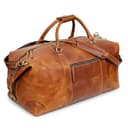
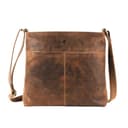
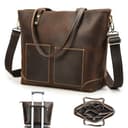
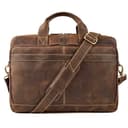
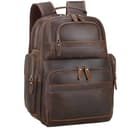
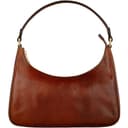
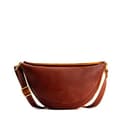
Every bag here clears the same bar, and they are not really competing with each other — nobody cross-shops a duffel against a handbag. The order is loosely by how much each listing commits to beyond the grade word. The duffel names its hide, its zipper maker and a length. The budget crossbody names its hide. The tote, the messenger and the backpack each state a laptop fit. The handbag and the sling state the grade and very little else. Use the award to find your format; the number only tells you how much of the spec sheet the maker filled in.
One finding runs across the whole list: none of these seven listings publishes a tannage, a leather thickness, a country of manufacture or a warranty term, and only one names its hardware. That is normal for marketplace bags — the grade is usually the strongest thing a listing will say — but it means the spec tables above have more “Not published” cells than filled ones. We would rather show you that than fill the gaps with guesses.
Why grade matters most at a bag’s stress points
A wallet fails at its surface; a bag fails at specific points, usually under load. Full-grain’s advantage is the grain layer itself: the outermost fibers of the hide are the densest and most tightly woven, and sanding them off (top-grain) or cutting below them (a split, which is what most “genuine leather” is) removes exactly the material that resists abrasion and tearing. Four places on a bag show the difference first.
- Strap anchors. Everything you put in the bag hangs from a few square inches of leather where the strap is stitched or riveted to the body, and every stitch is a hole. Dense full-grain holds a row of stitch holes better than a looser split does. Look at how the anchor is built in the photos — a reinforcing patch, a backed rivet or a double row of stitching all tell you someone thought about load.
- Base corners. A bag is set down thousands of times, and the bottom corners take the scrape. On full-grain they burnish and darken. On a coated split, the finish wears through to paler fibers underneath, and there is nothing to polish back because the surface that wore away was never the leather.
- The flap fold. Messengers, satchels and many handbags bend the same line of leather every time they open. Full-grain creases along that line and darkens with it. A pigmented coating flexed at one spot every day tends to craze and, eventually, peel.
- Handles and straps. These take hand oils and friction all day, which on full-grain acts as a polish rather than wear. It is why the handle of an old full-grain bag is usually its darkest, glossiest part.
The flip side is that grade is not the whole story. A full-grain bag with thin thread, an unreinforced strap anchor or a weak zipper will still fail — at the thread, the anchor or the zipper instead of the leather. Grade decides how the leather ages; construction decides whether the bag gets the chance. Our guide to choosing a leather bag covers how to judge stitching and hardware from product photos.
What full-grain will and won’t do
- It will be heavier than you expect. Leather bags weigh more than nylon or canvas bags of the same size, and weight shows up in the trade-offs of both the backpack and the duffel above. None of the seven publishes an empty weight, so if a carry-on allowance matters, ask the seller before you buy.
- It will change color. Patina is the surface change a material develops through age, handling and exposure. On full-grain leather that means darkening and a gradual sheen, fastest where hands and sunlight reach it. That is the reason to buy the grade — and a reason not to, if you wanted the bag to match its product photo forever.
- It will scratch, and many scratches will fade. Because the surface is leather rather than a film on top of leather, light scratches can often be rubbed back with a thumb or blended with a little conditioner; deeper ones become part of the character. Our guide to getting scratches out of leather explains which is which.
- It will not stay looking new. If you want a bag that looks identical in three years, buy a coated finish instead. It just won’t last as long.
- It will not be waterproof. Grade says nothing about rain. Any leather spots if it gets soaked — see waterproofing a leather bag, and let a soaked bag dry slowly, away from heat.
How to check a “full-grain” claim before you buy
Stating full-grain is the entry ticket for this page, not proof. These checks separate a careful listing from a keyword pile.
- Read the bullets against the title. A listing can say one grade in its title and another underneath. One kit in our dopp kit roundup has “Genuine Leather” in its title and “100% Full Grain Leather” in its first bullet. When a listing contradicts itself on grade, trust the lower claim until the seller says otherwise.
- Don’t carry a grade across a brand. Grade is stated per product, not per maker. The Portland Leather Goods Koala sling above states full-grain; the same brand’s Metro crossbody listing, which sits in our crossbody roundup, does not. We don’t assume the grade carries over, and neither should you.
- “Genuine leather” is a grade, and a low one. It sits below full-grain and top-grain and usually means a split with a finish on top. Our full-grain vs. genuine leather guide covers why that one word predicts how a bag ages.
- Top-grain is not full-grain. Top-grain has had its surface sanded and usually refinished, which evens out the look and removes part of the strongest layer. That is why the top-grain calfskin briefcase in our briefcase roundup is not on this page, good bag or not. The full comparison is in full-grain vs. top-grain leather.
- Look at the surface in the photos. Full-grain shows the hide’s own pores, small healed marks and slight color variation; a perfectly regular, printed-looking pebble is more often an embossed pattern on a corrected surface. A photo can’t settle it, which is why the written claim matters.
- Ignore the words that carry no grade. “Premium”, “luxury”, “handcrafted” and “vintage” are not grades. The FTC’s leather guides govern how a product may be described as leather and when imitation or backing material must be disclosed, but nothing compels a seller to name the layer of the hide. The makers who cut from full-grain generally say so, because it is the strongest thing they can say.
Buffalo or cowhide?
Two of the seven name their hide as buffalo: the Cuero duffel and the moonster crossbody. The other five state the grade without naming the animal. Buffalo is a hide, not a grade, so the combination worth looking for is what those two listings say: both words, together.
Buffalo hide is typically thicker, heavier and more coarsely pebbled than cowhide. It starts stiffer, hides scuffs well and costs less, which is a large part of why honest full-grain turns up at the budget end at all: a maker can keep the intact top layer and still hit a low price. That suits bags that get knocked about — duffels, work bags, a crossbody that lives on a bike. Finer-grained cowhide suits a dressier handbag or a bag you want soft from the first day. If you want a cowhide duffel, the Polare weekender in our travel roundup states full-grain cowhide in a 23-inch size.
Start with the format, then check the grade
Every format here has its own full roundup, including good bags missing from this page only because their listings don’t state a grade.
Who should not buy a full-grain bag
- Anyone who needs the lightest possible bag. If ounces decide the purchase, a leather bag of any grade is the wrong material. See leather vs. nylon backpacks for the honest trade.
- Daily riders in heavy rain who won’t think about it. A leather-trimmed waxed canvas bag shrugs off weather with less fuss; our leather vs. canvas comparison covers when that is the smarter buy.
- Anyone who changes bags every season. The full-grain premium pays for years of use. If you will not keep the bag for those years, you are paying for longevity you won’t collect.
For everyone else, the argument is cost over time rather than sticker price. Our answer to whether full-grain is worth it makes the cost-per-year case, and how much a leather bag should cost breaks down which parts of a price buy longevity and which buy a name.
Keeping a full-grain bag looking right
Full-grain needs less care than most people assume. Clean it gently when it needs it, and condition it far less often than product labels suggest, because too much conditioner softens a structured bag. Store it stuffed and somewhere it can breathe, as our storage guide explains. If one side has gone pale from years in the sun, see restoring faded leather.
Nothing above is a durability test — our methodology page explains what we do instead. Prices render live from the retailer rather than being written into this page.