Leather Care
Conditioners, cleaners and repair kits compared, plus plain how-to guides — the reason buy-it-for-life leather actually lasts a life.
Good leather care is less about expensive products and more about doing two simple things in the right order: clean first, then condition— occasionally, and without over-doing it. Skip the cleaning step and any conditioner you rub on top drives the day’s dirt and body oil down into the grain instead of feeding the hide. Do it in order and a full-grain bag, belt or wallet can look better after a decade than it did the day you bought it.
This is the part of owning leather that actually earns the “buy-it-for-life” promise. Below are the three product roundups we keep — cleaners, conditioners and repair kits — plus a set of plain, step-by-step how-to guides for the jobs people ask about most, from conditioning leather without darkening it to cleaning a bag, softening a stiff new piece, clearing mold and buffing out scratches.
Everything in Care
Best Leather Conditioners
The conditioners worth keeping on a shelf — including the one to reach for on pale, tan leather that others darken.
Our top pick
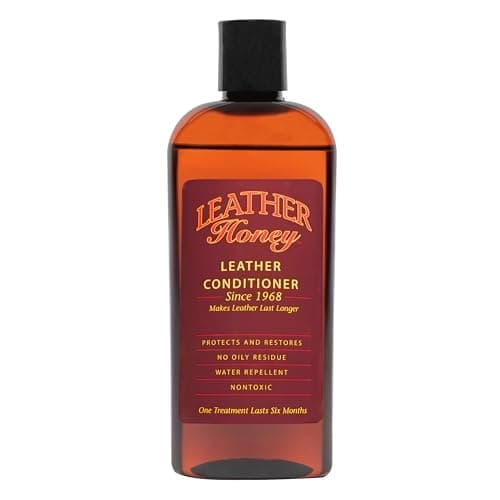
Leather Honey Leather Conditioner (8 oz)
Best Leather Repair Kits
Kits for tears, holes and faded color compared — what each one actually fixes, and what it can't.
Our top pick
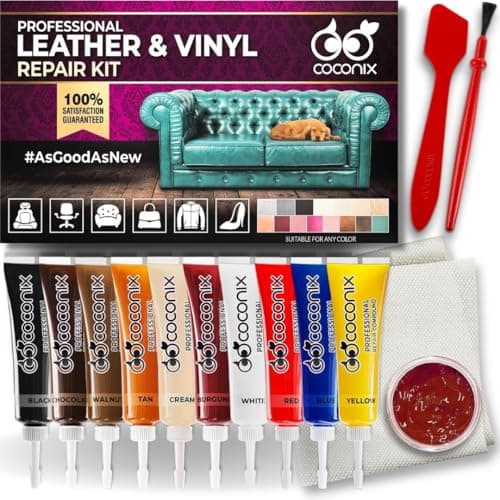
Coconix Leather & Vinyl Repair Kit
$19.95 · View on AmazonPrice as of October 20, 2026. #ad How we’re funded
Best Leather Protector Sprays
Water and stain protectants compared on the claim most listings dodge — whether the maker will say it won't darken the leather — plus which materials each one is actually rated for.
Our top pick
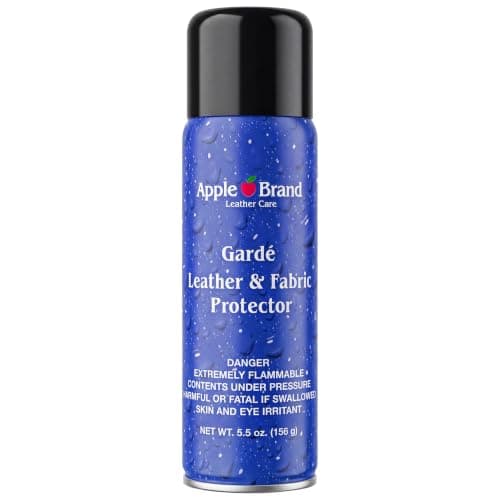
Apple Brand Garde Rain & Stain Water Repellent (5.5 oz)
$16.99 · View on AmazonPrice as of October 20, 2026. #ad How we’re funded
Best Leather Cleaners
The clean-first step most people skip — cleaners compared, plus why conditioning over dirt seals grime in.
Our top pick
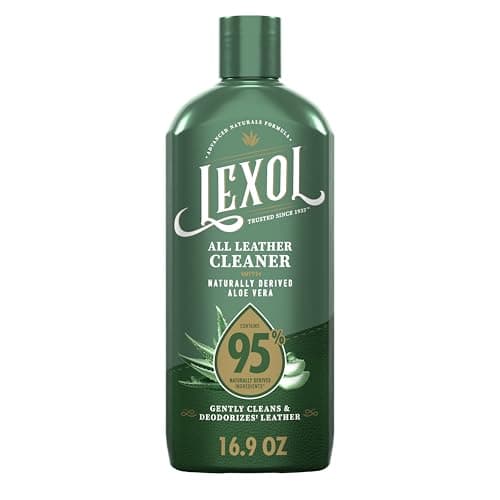
Lexol All Leather Cleaner (with Aloe)
$14.99 · View on AmazonPrice as of October 20, 2026. #ad How we’re funded
How to Condition Leather (Step by Step)
A simple, safe routine to keep leather from drying and cracking — with the spot-test that saves you from darkening it.
How to Clean a Leather Bag
Everyday dirt, stains and mold on a leather bag — what to use, what to never use, and when to stop and get help.
How to Soften Stiff Leather
Why new or dried-out leather feels stiff, and the safe, patient way to make it supple again without ruining it.
How to Remove Mold & Mildew From Leather
Clean mold off a leather bag or jacket safely, stop it coming back, and know when the damage is past a DIY fix.
How to Get Scratches Out of Leather
Which scratches buff out on their own, which need a balm or repair kit, and how to blend a scuff into the grain.
How Often Should You Condition Leather?
The honest answer is when it's dry, not on a schedule — how to read when leather needs feeding, and why more isn't better.
How to Dry a Wet Leather Bag
Blot, stuff to hold shape, dry slowly at room temperature away from heat, then condition — the safe way to dry wet leather without stiffness or stains.
Leather Conditioner vs. Leather Oil: Which Should You Use?
Conditioners are balanced and controllable; oils penetrate deeper and darken more. How they differ and which to reach for on a bag, boot or belt.
How to Remove Stains From Leather
Blot fast, match the method to the stain, spot-test everything, and know when to stop — a safe, stain-by-stain guide for leather bags and goods.
How to Care for Vegetable-Tanned Leather
Veg-tan absorbs everything — water, oil, dye. The gentle routine that keeps it developing an even patina instead of a map of your accidents.
How to Fix Peeling Leather (and Why It Peels)
Real grain leather does not peel — coatings do. What peeling tells you about the material, and what a repair can realistically achieve.
Can You Use Olive Oil on Leather?
Olive oil, coconut oil, petroleum jelly, hair conditioner — what each one really does to leather, and why conservators avoid the lot.
Leather Honey vs. Bick 4 vs. Lexol
Three of the most-compared conditioners, head to head on what each maker actually states — darkening, wax, excluded leathers, drying time — and which to pick by leather.
Our top pick
Leather Honey Leather Conditioner (8 oz)
How to Restore Faded Leather
Diagnose it first: dry, dirty, sun-faded or a worn-through coating. Then clean, condition or recolor — the method for each, and the spot-test that keeps it from getting worse.
Leather Cleaner vs. Conditioner
They do opposite jobs and the order matters: one lifts dirt out of the grain, the other puts oils back. What happens when you skip either, and what each bottle states.
Leather Honey vs. Chamberlain's Leather Milk
The two most recommended conditioners in the category, head to head on what each label actually states - and the one question that decides it before price does.
Our top pick
Leather Honey Leather Conditioner (8 oz)
Why Leather Cracks (and How to Stop It)
Cracking is dehydration plus flexing, in that order, and it is almost always preventable. What is actually breaking, why conditioner stops working once it starts, and which cracks are not cracks at all.
Why Does Leather Smell? Good, Musty and Fishy Explained
The good smell is tannage. The musty smell is mold. The fish smell is a processing residue, and only one of the three means the hide is fine. How to tell which you have and what to do.
Can You Wash Leather? The Washer, the Dryer and Plain Water
No to the washing machine, never to the dryer, and a qualified yes to water used properly. What each one does to a hide, and the method that replaces washing.
The one rule: clean first, then condition
Almost every leather-care mistake comes from getting these two steps out of order, or from treating conditioning as something you do constantly. It isn’t. Leather needs a wipe-down far more often than it needs to be fed. The whole routine is: keep it clean, feed it now and then, and otherwise leave it alone. Conservation guidance from museum bodies makes the same point — leather is stabilized by gentle, minimal handling, not by heavy dressings.
Step one — clean
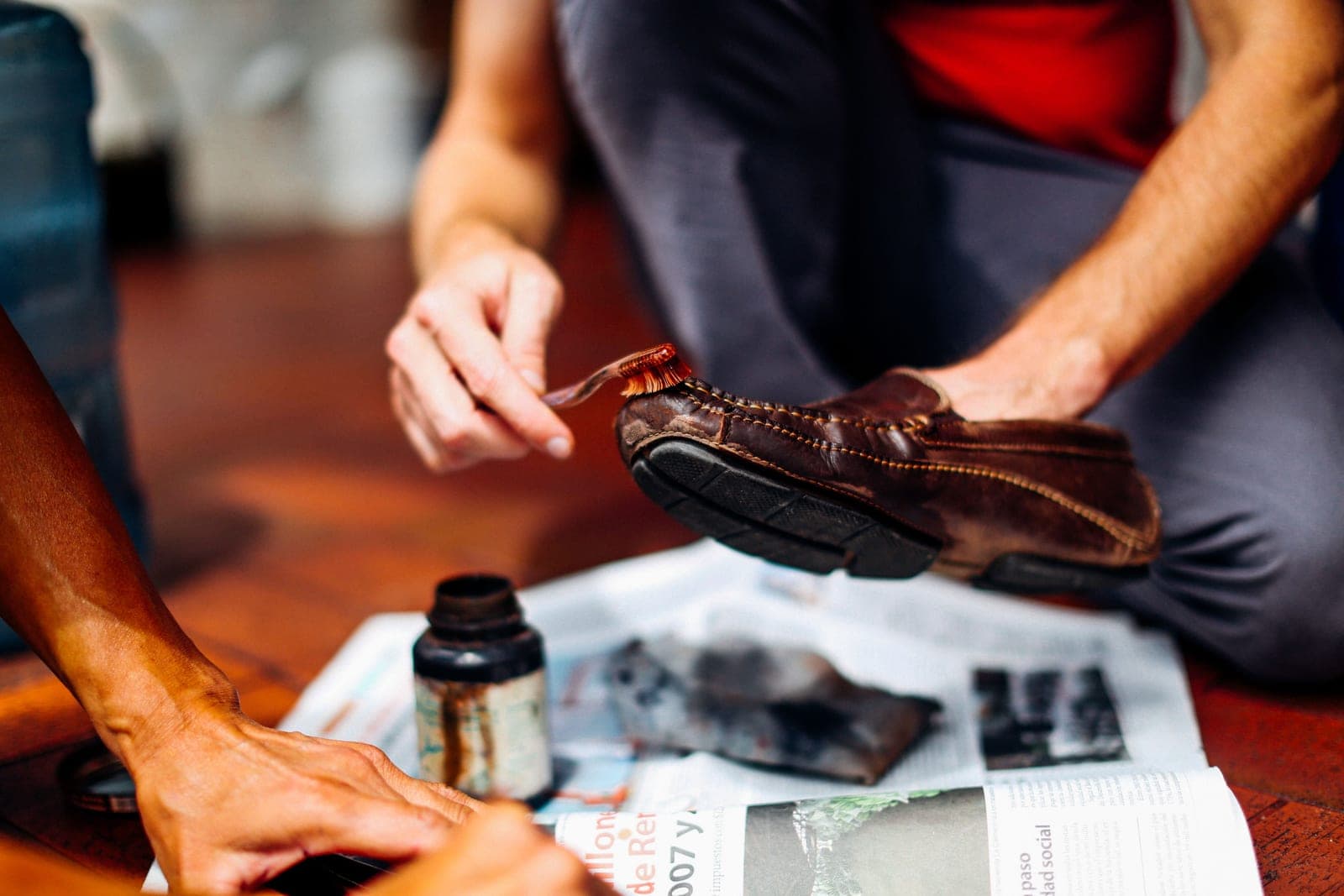
Dust and body oil are abrasive and acidic, and they build up exactly where leather flexes. Wiping a bag or wallet down with a soft, barely damp cloth — or a dedicated leather cleanerfor anything greasy — lifts that grime before it grinds into the grain. This is the step most people skip, and it’s why conditioning sometimes seems to make leather look worse: a conditioner applied over trapped dirt seals the dirt in. For a full walk-through on a real bag, including stains and mold, see how to clean a leather bag.
Step two — condition, occasionally
Once the surface is clean and dry, a thin coat of conditioner replaces the oils that daily use and dry air pull out, which is what keeps leather supple instead of brittle. The key word is thin, and the key habit is a spot-testin a hidden area first: any oil-based conditioner can darken pale or vegetable-tanned leather, and that change is hard to undo. Most items need this only two to four times a year. Over-conditioning is a real risk, not a myth — conservators warn that oils can, over time, oxidize and leave leather stiff or tacky, which is why museums avoid heavy dressings. Our best leather conditioners roundup covers which formula suits which leather, and how to condition leather walks the routine step by step.
When something’s already damaged
Cleaning and conditioning prevent damage; they don’t undo a tear, a gouge or a faded panel. For that you want a repair product matched to the problem — a filler kit for holes and cracks, a recoloring balm for color that’s gone gray and thirsty. Our best leather repair kitsroundup sorts out what each type actually fixes, and, just as usefully, what it can’t.
Storage and handling
Where you keep leather matters as much as what you put on it. Store it somewhere with steady, moderate humidity — conservation guidance keeps leather below roughly 65% relative humidity, because damp air invites mold and very dry air makes it crack. Keep it out of direct sun and away from radiators and other heat, which bake out the very oils you condition back in. Let bags breathe in a dust bag rather than a sealed plastic one, and stuff them lightly so they hold their shape. Done consistently, none of this is much work — and it’s the difference between leather that ages and leather that wears out.
Step-by-step care guides
When you want the how-to rather than the why, we keep a plain walk-through for each common job: how to condition leather, how often to condition it, how to clean a leather bag, how to soften stiff leather, how to remove mold and mildew, and how to get scratches out of leather.
Frequently asked questions
Do I clean or condition leather first?
Clean first, always. Conditioning over trapped dirt and body oil drives grime down into the grain instead of feeding the leather. Wipe the surface with a soft, barely damp cloth or a dedicated leather cleaner, let it dry, then apply a thin coat of conditioner.
How often should I condition leather?
For most bags, wallets and belts, about two to four times a year is plenty — or when the leather starts to look and feel dry. Conditioning more often than that risks over-oiling, which can leave leather stiff or tacky over time. Clean far more often than you condition.
Will conditioner darken my leather?
It can. Oil-based conditioners often darken pale or vegetable-tanned leather, sometimes permanently. Always spot-test in a hidden area first and wait for it to dry before treating the whole item. If you specifically want to avoid darkening, choose a conditioner marketed as non-darkening and still spot-test.
Is saddle soap good for leather bags?
Use it sparingly, if at all. Saddle soap is a strong cleaner made for heavy tack, and using a lot of it can strip and dry out finer bag and wallet leather. For everyday leather goods, a gentle cleaner followed by an occasional light conditioning is safer.
Sources
- Canadian Conservation Institute — Caring for leather, skin and fur — CCI preventive-conservation guidance on cleaning, dressing and storing leather (accessed July 18, 2026)
- U.S. National Park Service — Curatorial Care of Objects Made From Leather and Skin — NPS museum-handbook guidance on cleaning, handling and storing leather; humidity below ~65% (accessed July 18, 2026)
- Wikipedia — Conservation and restoration of leather objects — How the field cleans and stabilizes leather; why oils oxidize and can harden leather over time (accessed July 18, 2026)