Leather Bags
Backpacks, handbags, totes and weekenders compared on grade and construction — the pieces most worth buying in full-grain and keeping for decades.
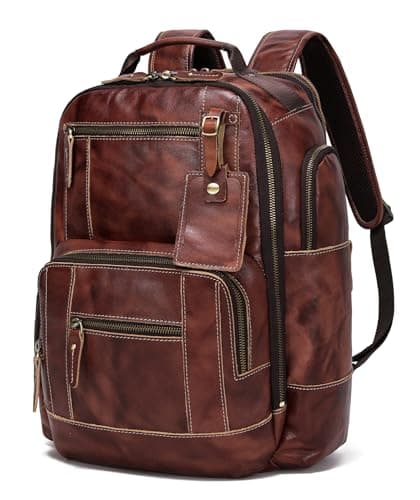
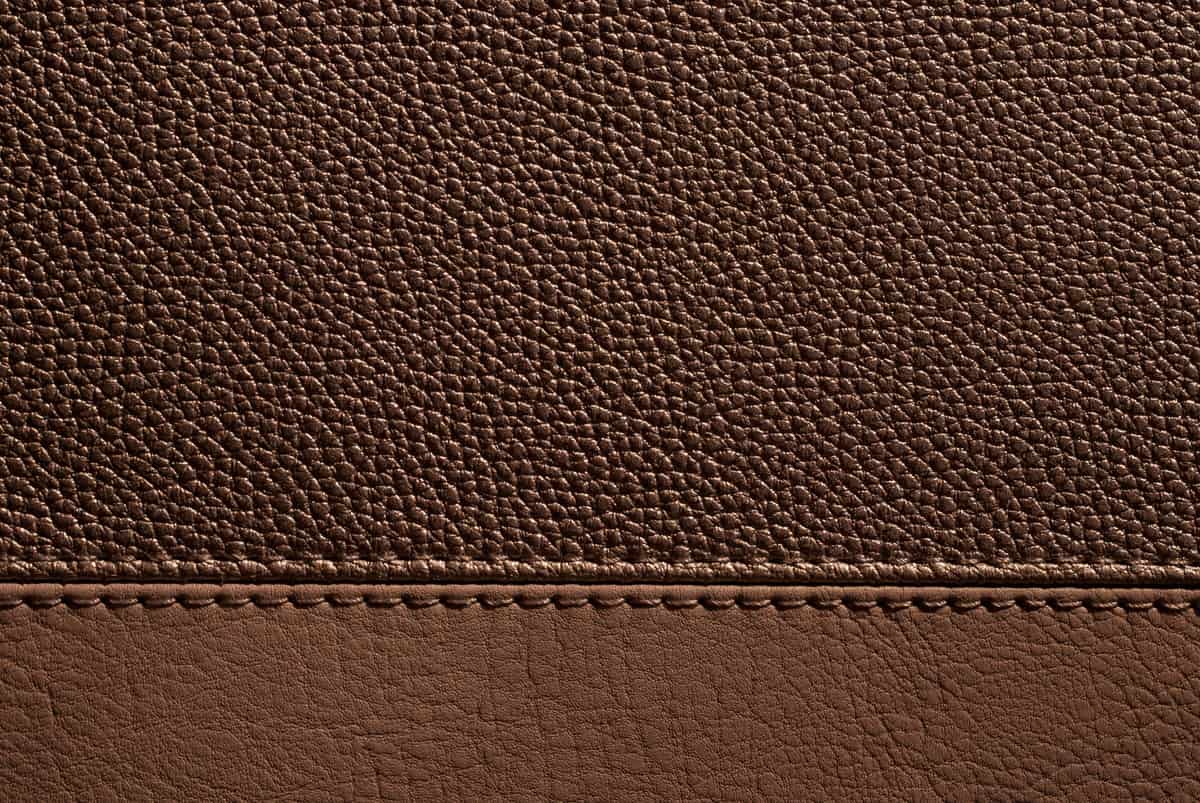
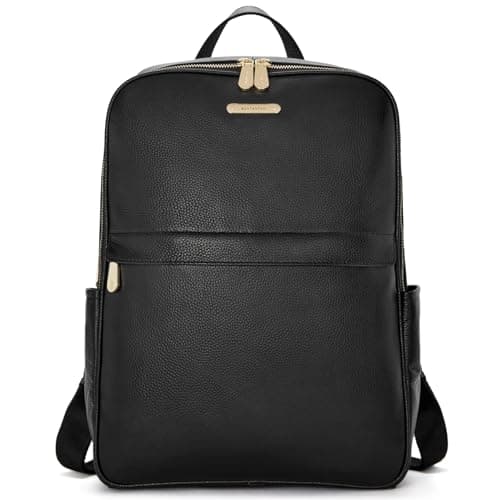
A leather bag is the largest, most-handled leather thing most people own, which makes it the category where the grade of the hide matters most. A full-grain bag keeps the hide’s dense top layer, so it holds its structure, shrugs off scuffs and darkens into a patina over years of use. A bag sold only as “genuine leather” — a lower, split-based grade — looks the part on day one and tends to sag, crease and wear thin far sooner. The wording on the listing is the single best predictor of how a bag will age.
We split the category the way you actually shop it. If you carry a laptop and want your hands free, start with the leather backpacks. If you want an everyday shoulder bag, tote or purse, the handbags roundup is built around function rather than a logo. And if a bag only comes out for the weekend, the travel duffels and weekenders are their own problem — heavier grades, bigger formats and a size question the daily bags never ask.
The mistake we see most often is buying on looks and brand alone, then discovering the listing never actually stated a grade. Across every roundup here we read the listing for that one spec first, and we print “Not published” whenever a maker stays silent — because silence usually means it is not full-grain. If you learn nothing else before you buy, learn to check for that one word.
Everything in Bags
Best Leather Backpacks
Full-grain and genuine-leather daypacks compared on grade, laptop fit and price — with the honest note on which ones won't state their grade.
Our top pick
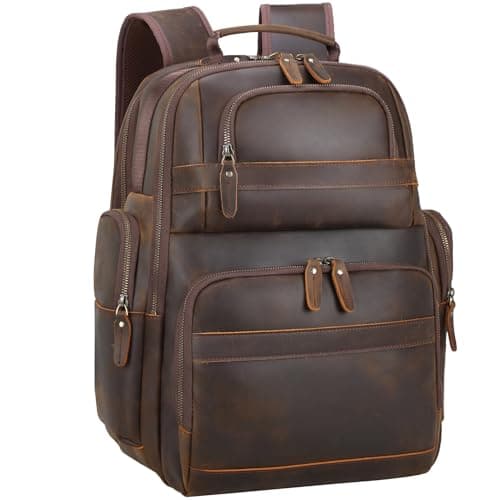
TIDING Full Grain Leather Backpack (15.6")
$169.99 · View on AmazonPrice as of October 20, 2026. #ad How we’re funded
Best Leather Backpacks for Women
Convertible backpack-purses compared on stated grade, published dimensions and whether the laptop claim survives them — plus the empty weight every listing here publishes.
Our top pick
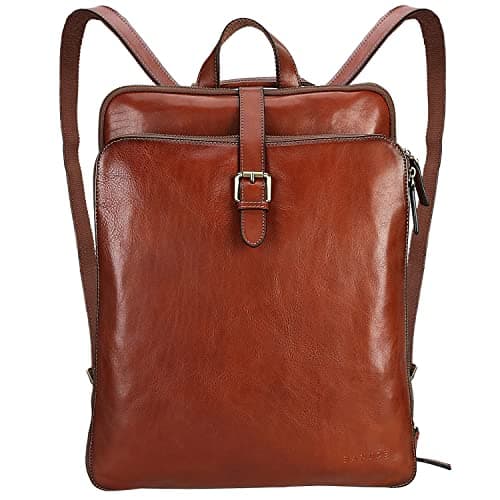
Banuce Italian Full-Grain Convertible Backpack Purse
$189.99 · View on AmazonPrice as of October 20, 2026. #ad How we’re funded
Best Leather Handbags
Real-leather handbags and totes for women, ranked on grade and everyday function rather than a logo.
Our top pick
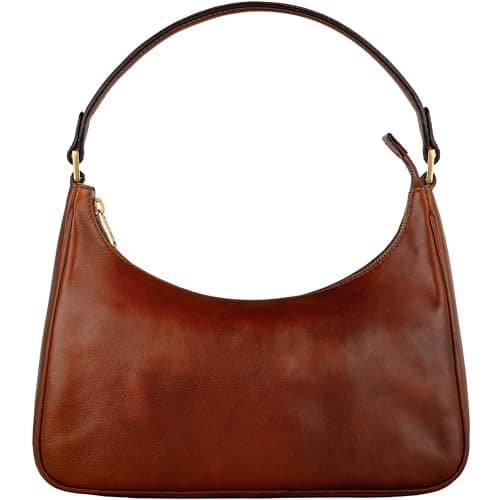
Time Resistance Full-Grain Leather Shoulder Handbag
$220.00 · View on AmazonPrice as of October 20, 2026. #ad How we’re funded
Best Leather Bags for Travel
Weekenders, duffels and carry-on backpacks in leather — which grade and size earns a spot on a trip you take a few times a year.
Our top pick
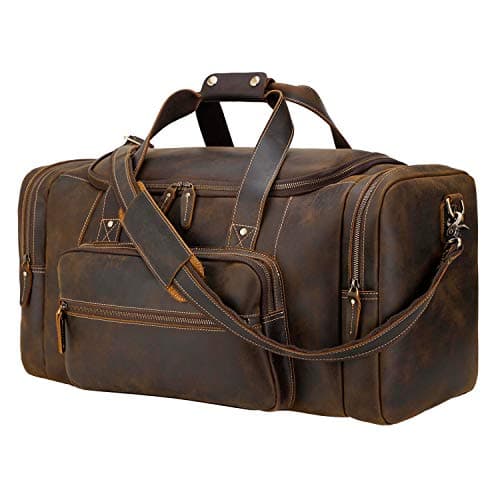
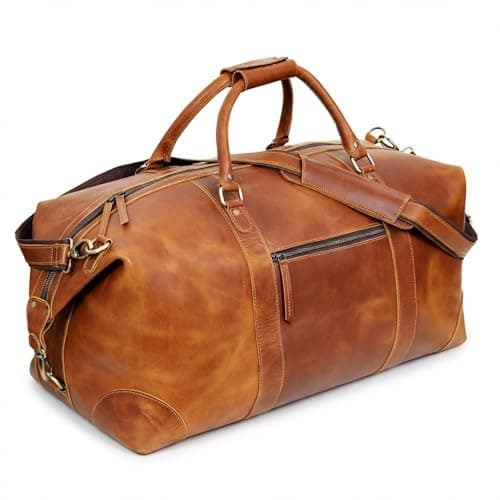
Polare 23" Full-Grain Cowhide Weekender Duffel
$199.99 · View on AmazonPrice as of October 20, 2026. #ad How we’re funded
How to Choose a Leather Bag
Which grade to buy for a bag, how to read a listing that hides the grade, and how to match leather to how you'll actually use it.
Leather vs. Canvas Bags: Which Should You Buy?
Weight, weather, durability and cost compared — when a leather bag is worth it and when canvas is the smarter carry.
Backpack vs. Briefcase for Work
Posture, professionalism and how much you carry — how to choose between a leather backpack and a briefcase for the office.
How to Waterproof a Leather Bag
How to make a leather bag shrug off rain — what actually works, what to avoid, and why 'waterproof' is really water-resistant.
How to Store Leather Bags
Keep a leather bag from cracking, molding or losing its shape in storage — humidity, stuffing, dust bags and the mistakes to skip.
Leather vs. Nylon Backpacks: Which Should You Buy?
Weight, weather, durability, looks and cost compared — when a leather backpack is worth the heft and when nylon is the smarter daily carry.
How to Pack a Leather Weekender Bag
A simple method that fits two or three days into a weekender, balances the load and protects the leather instead of straining its seams.
Leather Backpack vs. Messenger Bag: Which Is Better?
Comfort, capacity, access speed and style compared — how to choose between a leather backpack and a messenger bag for your commute.
Best Leather Tote Bags
A tote has no frame, so the leather is the structure — full-grain work totes, laptop totes and a budget option compared on stated grade.
Our top pick
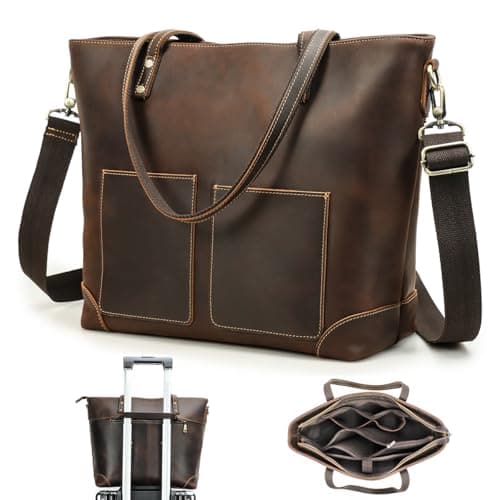
TIDING Full Grain Leather Tote Bag
$105.99 · View on AmazonPrice as of October 20, 2026. #ad How we’re funded
Best Leather Crossbody Bags
Crossbodies and slings for men and women, ranked on stated grade and strap build — the two things that decide which ones survive daily wear.
Our top pick
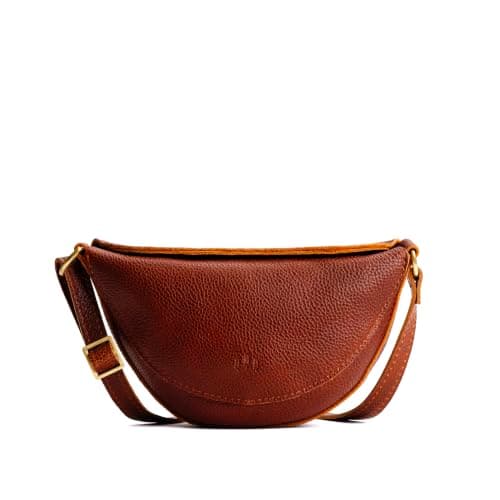
Portland Leather Goods Koala Sling Bag (Medium, Full-Grain)
$118.00 · View on AmazonPrice as of October 20, 2026. #ad How we’re funded
Types of Leather Bags, Explained
Tote, satchel, messenger, crossbody, backpack, briefcase, duffel and more — what each format is for, and which ones punish a cheap grade fastest.
Best Leather Dopp Kits & Toiletry Bags
The small leather bag that lives with wet razors and leaking bottles — six kits compared on stated grade, lining and published dimensions.
Our top pick
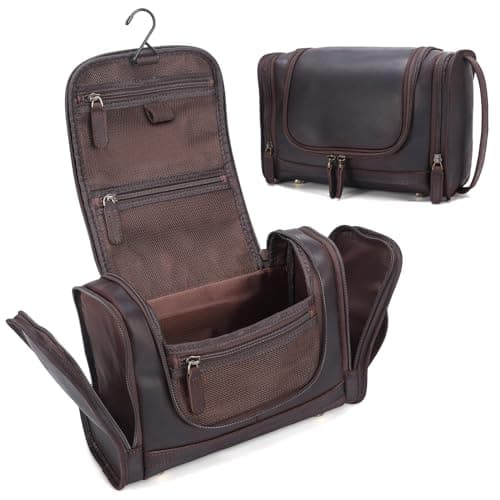
Polare Full-Grain Leather Toiletry Bag with Hanging Hook
$95.99 · View on AmazonPrice as of October 20, 2026. #ad How we’re funded
How Much Should a Leather Bag Cost?
Five things move the price of a leather bag and only two change how long it lasts — how to tell which one you are actually paying for.
Best Leather Handbags for Travel
The day bag, not the luggage: slings, crossbodies, a shoulder bag and a laptop tote for sightseeing and flight days, compared on carry, grade and what the listings leave out.
Our top pick
Portland Leather Goods Koala Sling Bag (Medium, Full-Grain)
$118.00 · View on AmazonPrice as of October 20, 2026. #ad How we’re funded
Best Full-Grain Leather Bags
One stated-full-grain pick per format — duffel, backpack, handbag, tote, messenger and sling — ranked on how much each listing discloses beyond the grade.
Our top pick
Cuero Full Grain Buffalo Leather Duffle (28")
Crossbody vs. Shoulder Bag: Which Should You Carry?
A crossbody stays on and in sight in a crowd; a shoulder bag opens faster, holds more and dresses up. Weight, security, capacity and where each one wears its leather.
Best Leather Work Bags for Women
Tote, briefcase, backpack or satchel — six women's work bags compared on stated laptop fit and stated grade, for the decision you make before you pick a format.
Our top pick
CONTACTS Full Grain Leather Laptop Tote (14.2")
$90.00 · View on AmazonPrice as of October 20, 2026. #ad How we’re funded
What to Pack in a Dopp Kit
A packing list built around the TSA's own liquids rule, plus the three things that should never ride loose against leather and the kit size each list actually needs.
Best Leather Bags for College
Five bags for four years of textbooks and a laptop, ranked on stated laptop fit and stated grade - plus the one format that is wrong for a campus.
Our top pick
LANNSYNE Full Grain Leather Backpack (16")
$149.99 · View on AmazonPrice as of October 20, 2026. #ad How we’re funded
Best Buffalo Leather Bags
Four full-grain buffalo-hide bags compared - the coarser, thicker, cheaper alternative to cowhide, and the formats where its grain is an advantage.
Our top pick
Cuero Full Grain Buffalo Leather Duffle (28")
What Is a Dopp Kit?
A toiletry bag named after the leatherworker who patented it in 1919. The three formats sold under the name, and which one suits how you actually travel.
How Long Does a Leather Bag Last?
Long enough that the answer is decided by five failure points, not by the hide - stitching, lining, zipper, strap anchor and edge. What fails first, and what you can fix.
Leather Tote vs. Backpack: Which One Should You Carry?
One strap or two - how the two formats differ on load, access, capacity shape and weather, and the part nobody mentions: where each one wears out first.
Best Leather Bags for Teachers
A teaching day is a standing day with a laptop, a stack of marking and no desk to leave it on. Five picks ranked on two straps, a stated laptop size and a hide that survives a classroom.
Our top pick
BOSTANTEN Genuine Leather Laptop Backpack Purse (15.6")
$139.99 · View on AmazonPrice as of October 20, 2026. #ad How we’re funded

Start here: what to buy first
If this is your first real leather bag, buy the one you will use every single day, and buy it in full-grain. A daily bag earns its patina fastest and rewards the grade the most, so it is where the extra money does the most work. A full-grain backpack or a structured everyday handbag is the piece you will notice improving; a once-a-year weekender can wait until you know you need it.
What decides the price of a leather bag
Four things move the price, in roughly this order:
- Grade.Full-grain costs more than top-grain, which costs more than “genuine leather.” It is the biggest single driver, and the one most worth paying for. See full-grain vs. top-grain for why the wording predicts the lifespan.
- Size and format. A weekender uses several times the hide of a small shoulder bag, so travel duffels sit at the top of the range on materials alone.
- Construction.Dense stitching, a real lining and solid metal hardware cost more than glued edges and plastic clips — and they are exactly what fails first on a cheap bag.
- Brand. A known name adds a warranty and easy returns, which is worth something, but it is the last thing to pay for, not the first.
Match the bag to how you will use it
A daily beater and an heirloom are different buys. If a bag rides your shoulder through commutes, rain and coffee runs, full-grain is worth it because it takes the abuse and looks better for it. If you specifically want a smooth, formal, uniform finish, top-grain suits that look with slightly less lifespan. Whatever you choose, a few minutes with a conditioner once or twice a year roughly doubles how long it looks good — here is how to condition leather without darkening it. For the full walk-through, our guide to choosing a leather bag covers how to read a listing that hides the grade.
More on choosing and caring for a bag
Still weighing materials? Leather vs. canvas bags lays out when each is the smarter carry, and backpack vs. briefcase for work helps you settle on a format for the office. If the choice is one strap or two, leather tote vs. backpacksettles it on load, access and — the part nobody mentions — where each format wears out first. Once your bag arrives, keep it going with how to waterproof a leather bag and how to store leather bags so it doesn’t crack, mold or lose its shape.
Frequently asked questions
What type of leather is best for a bag?
Full-grain leather. It keeps the hide's strongest top layer, so it holds structure, resists scuffs and develops a patina instead of wearing thin. 'Genuine leather' is a lower, split-based grade that looks fine at first but sags and cracks sooner. Buy full-grain for a bag you want to keep for years.
Is a leather backpack or a handbag better for everyday use?
It depends on load and posture. A backpack spreads weight across both shoulders and frees your hands, which suits a laptop and a commute. A handbag or shoulder tote is quicker to get in and out of and reads more formal. Both are worth buying in full-grain if you carry them daily.
How can I tell if a leather bag is real full-grain?
Read the listing for the exact words 'full-grain.' A maker who uses it says so, because it costs more. Look for natural surface variation rather than a perfectly plastic-uniform finish, and a solid leather cut edge rather than a fabric backing. If the listing only says 'leather' or 'genuine leather,' assume it is not full-grain.
Sources
- Wikipedia — Leather — Overview of leather, grain layers and the full-grain / top-grain / split hierarchy (accessed July 18, 2026)
- Wikipedia — Tanning (leather) — The tanning process, vegetable vs. chrome tannage, and why ~90% of leather is chrome-tanned (accessed July 18, 2026)