Leather Guides
The literacy that makes you a confident buyer: grades, tanning, real vs. fake leather, patina and the buy-it-for-life math — the trust engine of the site.
Almost every bad leather purchase comes down to one thing: not knowing what the label actually means. “Genuine leather” sounds like a promise and is usually a warning. Full-grain and bonded can sit on the same shelf at similar prices. These guides exist to fix that — to teach you the handful of ideas that turn leather shopping from a gamble into a decision you can defend.
This is the trust engine of the whole site. Every roundup we publish leans on the literacy here, and every claim in these guides is cited to an authoritative source rather than asserted on our say-so. Read one guide and you’ll shop better; read a few and you’ll never overpay for “genuine leather” again.
Everything in Guides
Best Leather Goods for Men
The leather pieces worth owning — one standout wallet, belt, everyday bag, work bag and weekender, chosen on stated grade rather than marketing.
Our top pick
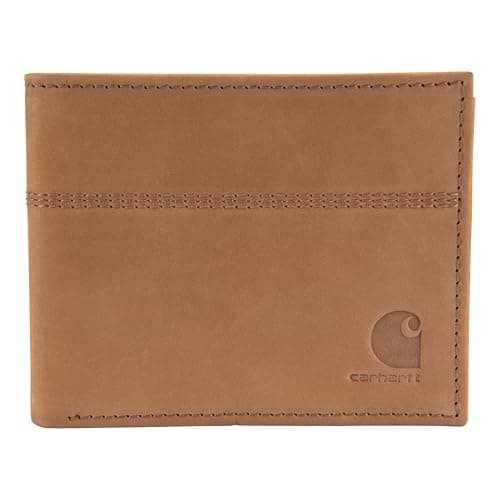
Carhartt Full Grain Saddle Leather RFID Wallet
$42.99 · View on AmazonPrice as of October 20, 2026. #ad How we’re funded
Full-Grain vs. Top-Grain Leather
The one comparison that decides most leather purchases — what each grade is, how they age, and when each makes sense.
Types of Leather, Explained
The full grade hierarchy plus finishes like nubuck, nappa and patent — a plain-English glossary you can buy from.
PU, Vegan & 'Genuine' Leather, Decoded
What PU, faux and vegan leather actually are, and why 'genuine leather' on a label is often a warning, not a promise.
Is Full-Grain Leather Worth It?
The cost-per-year math on buying full-grain once versus replacing cheap leather every couple of years.
Leather Patina: What It Is and How It Forms
Why full-grain and veg-tanned leather darken into a patina, how long it takes, and how to encourage it.
What Is Vegetable-Tanned Leather?
What veg-tan actually is, why it firms up and patinas the way it does, and where it beats fast, soft chrome-tanned leather.
Vegetable-Tanned vs. Chrome-Tanned Leather
The two ways almost all leather is preserved — how each ages, feels and handles water, and which to buy for what.
Full-Grain vs. Genuine Leather
The best grade against the most misleading label — what 'genuine leather' really means and why full-grain outlasts it.
Top-Grain vs. Genuine Leather
Two grades that sound similar and age nothing alike — which is a real mid-tier hide and which is the entry floor.
What Is Bonded Leather? (And Why to Avoid It)
Ground-up scraps glued to a backing, sold as 'leather' — how to spot bonded leather and why it peels within a couple of years.
How to Tell Real Leather From Fake
The look, feel, smell and edge tests that separate real leather from PU and 'vegan' faux — and the label words that give it away.
What Is Crazy Horse Leather?
The hot-waxed full-grain finish that scuffs into character on purpose — what it is, how it ages, and who it suits.
Nubuck vs. Suede: What's the Difference?
Both are soft and napped, but they come from different layers of the hide — which is tougher, and how to care for each.
Leather Weight & Thickness, Explained
What ounces and millimeters mean on a leather listing, and the right weight for a belt, a wallet, or a bag.
What Is PU Leather? (And Is It Any Good?)
PU (polyurethane) leather is a plastic coating over a fabric backing — cheaper and animal-free, but it peels where real hide patinas. What it is and when it makes sense.
What Is Nappa Leather?
Nappa is a soft, smooth, typically chrome-tanned leather prized for its supple hand — used in fine wallets, gloves and luxury bags. What it is and how it wears.
What Is Patent Leather?
Patent leather is leather (or a synthetic) sealed under a high-gloss coating for a mirror shine — the dress-shoe finish. How it's made, why it cracks, and how to clean it.
Genuine Leather vs. Real Leather: What's the Difference?
'Real leather' just means not synthetic; 'genuine leather' is a specific, low grade of real leather. Why the two phrases aren't the same before you buy.
What Leather Lasts the Longest?
Full-grain, vegetable-tanned leather lasts longest — decades with care. Which grades and tannages endure, which fail fast, and how care changes the math.
Best Leather Goods for Women
The leather pieces worth owning — one standout handbag, tote, backpack, work bag and wallet, chosen on stated grade rather than a logo.
Our top pick
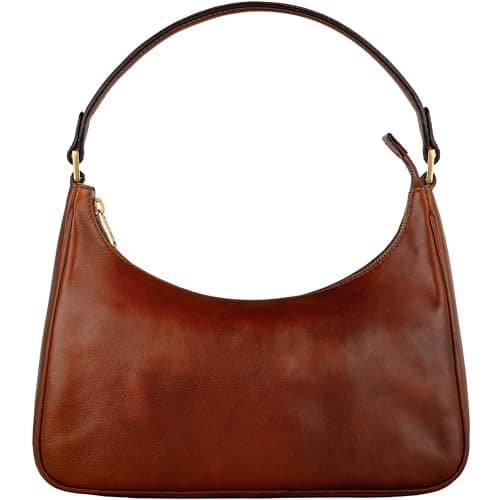
Time Resistance Full-Grain Leather Shoulder Handbag
$220.00 · View on AmazonPrice as of October 20, 2026. #ad How we’re funded
Best Leather Gifts
Leather makes a safe, lasting gift because sizing barely matters and good hide ages well — cross-category picks from an easy win to a milestone splurge.
Our top pick
Carhartt Full Grain Saddle Leather RFID Wallet
$42.99 · View on AmazonPrice as of October 20, 2026. #ad How we’re funded
Vegetable-Tanned vs. Full-Grain Leather
One is a tannage, the other is a grade, and a hide can be both — what each term promises and which of the two you can actually shop on.
What Is Split Leather?
The lower layer left when a hide is sliced in two: real leather, much weaker than the grain above it, and the quiet basis of most 'genuine leather' goods.
Types of Synthetic Leather, Compared
PU, PVC, TPU, microfiber and bio-based 'leathers' — what each is, how each fails, and how to decode labels like '100% PU' and 'PU upper'.
What Is Italian Leather?
Tuscany really does tan some of the world's best hides — but the words on a listing are a provenance claim, not a grade. How to read them.
What Is Buffalo Leather?
Thicker and more coarsely grained than cowhide, and one of the few hide types affordable listings actually name. What that does and doesn't tell you.
What Is Saffiano Leather?
A cross-hatch texture pressed into the surface and sealed — brilliant at hiding scratches, incapable of patina, and silent on grade.
Best Leather Goods Brands, and How to Judge One
Brand is a weak signal in leather; disclosure is a strong one. The four things a serious leather brand publishes, and how fast that sorts a listing.
What Is Bridle Leather?
Full-grain, vegetable-tanned leather stuffed with waxes and tallow for horse tack — why it suits belts, how it ages, and why the word on a listing still isn't a grade.
How Is Leather Made?
Hide to finished leather, step by step — and why splitting, tanning and finishing are the three stages that produce every grade, tannage and finish word on a listing.
What Is Chrome-Free Leather?
Chrome-free means tanned without chromium — which is not the same as vegetable-tanned, and not automatically better. What the term commits a seller to, and what it does not.
Is Leather Waterproof?
No — leather is a porous protein that absorbs water, and nothing you buy in a bottle changes that. What water actually does to a hide, and the realistic defense.
What Is Pull-Up Leather?
An aniline-dyed hide stuffed with oils and waxes, so it lightens where it bends and darkens back as it rests. Why the effect is a finish, never a grade.
Best Italian Leather Goods
Six listings that use the word Italian, sorted by what each one actually commits to - a named Tuscan tannery, handmade in Italy, or only the hide's country of origin.
Our top pick
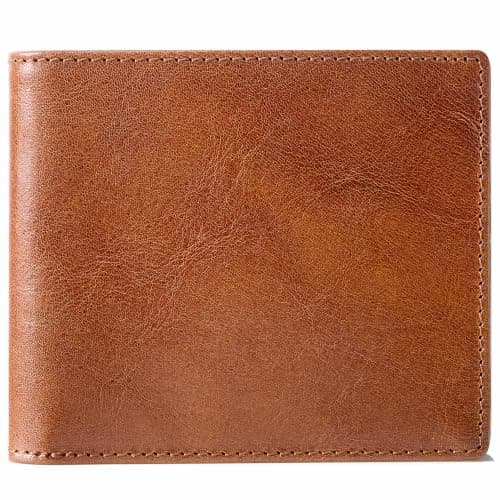
ALBEPPE Tuscan Vegetable-Tanned Leather Bifold Wallet
$54.95 · View on AmazonPrice as of October 20, 2026. #ad How we’re funded
Does Leather Stretch?
Yes, in one direction and mostly once - leather stretches where it is loaded and does not come back. Where it happens on a belt, a bag and a wallet, and how to use it.
What Is Saddle Leather?
A use, a tannage and a color all share one name. What saddle leather actually is, why it is the firmest leather you can buy in a belt or a wallet, and what 'saddle tan' does not mean.
Does Leather Shrink?
Yes - and unlike stretching, shrinking is damage. Heat and fast drying are the two causes, both are permanent, and both are the single most common way leather goods get ruined.

Where to start
If you read one thing, make it full-grain vs. top-grain. That single comparison decides most leather purchases, because grade is the spec that predicts how long a piece lasts. From there, types of leatheris the full glossary — the whole grade ladder plus finishes like nubuck, nappa and patent — and PU, vegan & ‘genuine’ leather untangles what’s real, what’s plastic, and why one label is designed to mislead you.
The two ideas that decide everything
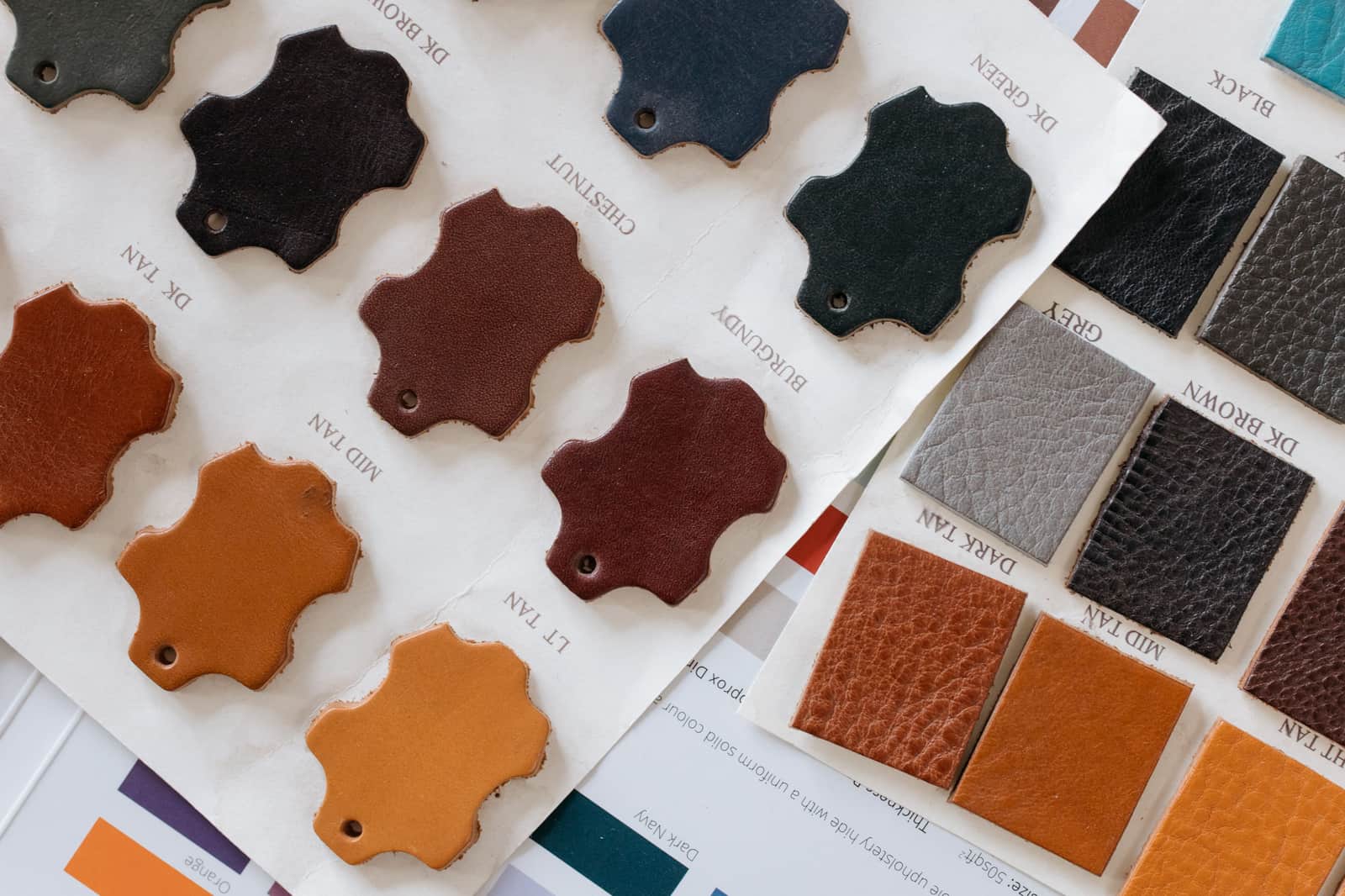
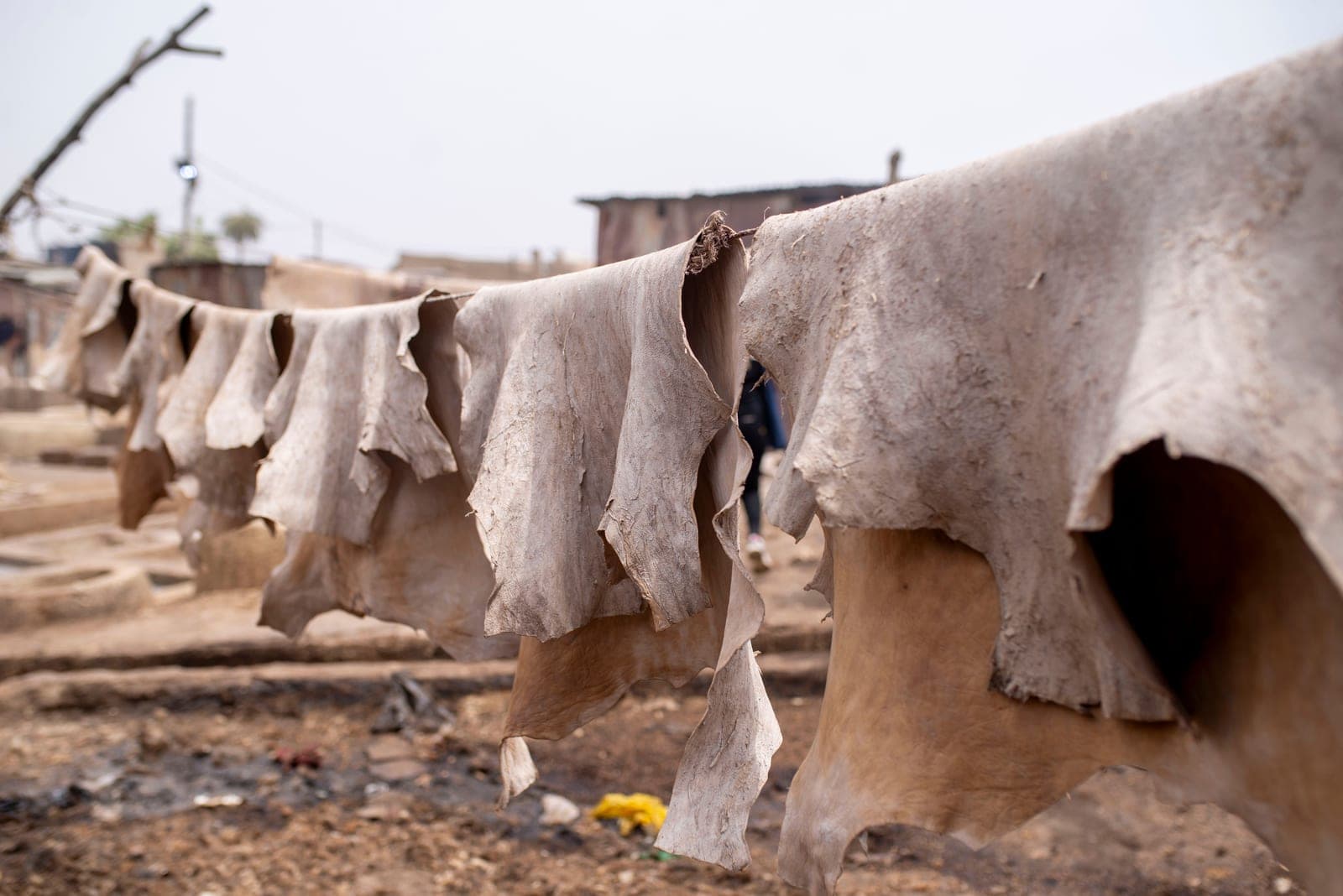
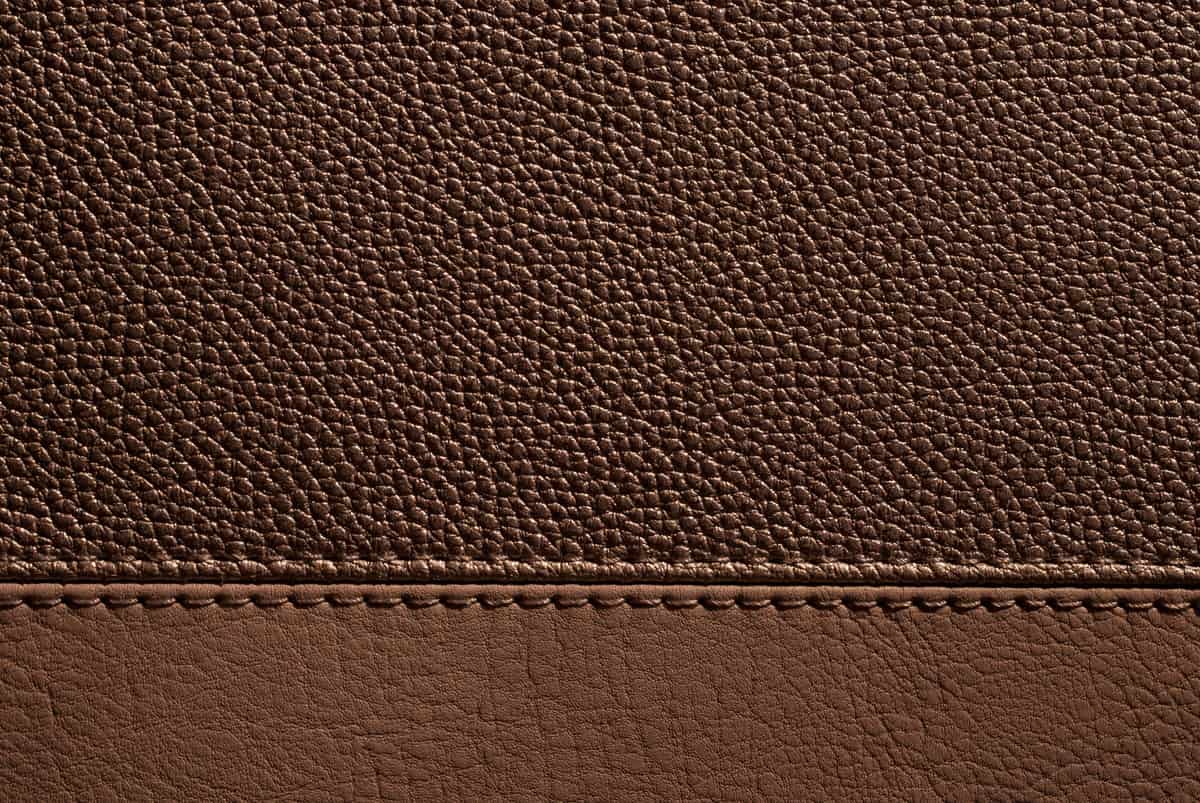
Gradeis how much of the hide’s tough top layer is kept. Full-grain keeps all of it and ages into a patina; each step down the ladder trades longevity for a lower price or a more uniform look. Tannageis how the hide was preserved — vegetable tanning (slow, firm, patinas beautifully) versus chrome tanning (fast, soft, water-resistant, and about 90% of all leather). Get those two ideas straight and most buying questions answer themselves.
Then decide if it’s worth it
Better leather costs more up front, so the real question is cost over time. Our is full-grain worth itguide runs the buy-it-for-life math — a full-grain piece kept for a decade often costs less per year than replacing something cheap every couple of years. And the reward for buying well isn’t only durability: it’s the patina that makes good leather look better the longer you own it.
The mistake buyers make
Trusting the word “leather” alone. Leather spans everything from a heirloom full-grain hide to ground-up scraps glued to a backing, and the price tag doesn’t reliably tell them apart. The fix is free: learn to read the grade, and treat a listing that won’t state it as the answer to your question.
More comparisons and explainers
Once you have the two big ideas, the rest is detail worth knowing before you buy. On tannage, start with what vegetable-tanned leather is — the site’s namesake — then compare it head to head in vegetable-tanned vs. chrome-tanned. On grade, we break down the exact matchups people search for: full-grain vs. genuine, top-grain vs. genuine, and what bonded leather is and why to avoid it. To keep from being fooled at the register, read how to tell real leather from fake. And for the finishes and specs that show up on listings, we cover crazy horse leather, nubuck vs. suede, and leather weight and thickness.
Frequently asked questions
What's the single most important thing to know about buying leather?
The grade. Full-grain keeps the hide's strong top layer and lasts for years; 'genuine leather' and bonded leather are lower grades that look fine at first and wear out fast. If you learn to read the grade — and to treat a listing that won't state it as a red flag — you'll avoid most bad leather purchases.
Is more expensive leather always better?
No. Price tracks grade, tannage, brand and finish, and only some of those affect durability. A modestly priced full-grain belt can outlast a pricier bonded one many times over. We flag when the cheaper option is the better buy.
How do these guides relate to your product roundups?
The guides teach the material; the roundups apply it. Each 'best' roundup links back to the guide that explains the specs it's judging, so you can check our reasoning against an authoritative source rather than taking our word for it.
Sources
- Wikipedia — Leather — Overview of leather, grain layers and the full-grain / top-grain / split hierarchy (accessed July 18, 2026)
- Encyclopaedia Britannica — Leather — Britannica on leather as chemically treated animal hide and its uses (accessed July 18, 2026)
- Wikipedia — Tanning (leather) — The tanning process, vegetable vs. chrome tannage, and why ~90% of leather is chrome-tanned (accessed July 18, 2026)