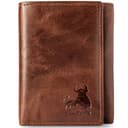
Where top-grain is the right buy, and where it is not
Buy top-grain for a briefcase, a laptop sleeve or a portfolio.All three are flat, structured objects that spend their lives being set down on desks, tables, airport trays and car seats. They need a surface that shrugs off light abrasion and keeps a uniform appearance, because a scuffed briefcase does not read as characterful — it reads as scuffed. A corrected, coated top-grain panel is genuinely better at that job than an uncorrected one, and three of our seven picks are exactly these formats.
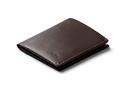
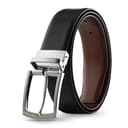
Think twice about top-grain on a wallet or a belt.Both live against your body, flex constantly in one place and are small enough that the price gap to full-grain is modest. On a wallet the fold is where the leather fails and where a patina would have formed; on a belt the strap is one long strip cut from the densest part of the hide, so stated full-grain is common and cheap — as best full-grain belts and best full-grain wallets both show. Two picks here are a wallet and a belt, and both are included for a specific reason stated on their cards rather than because the grade is ideal.
And treat top-grain as a floor, not a ceiling.It sits above “genuine leather” and far above bonded, and the gap downward is much larger than the gap upward — top-grain vs. genuine leather and what is bonded leather are the two pages that make that clear. A stated top-grain is a real claim. An unstated grade at the same price is not.
How to read a top-grain claim
Watch for the words that sit beside it.Three of the seven listings here attach a second word to the grade, and each one means something different. “Pebble-grain calfskin” on the McKlein names a hide type and an embossed finish on top of the grade. “Napa” on the trifold is a softness-and-finish descriptor, not a grade — what is nappa leathercovers why that word tells you about feel rather than layer. “Italian” on two of them is a hide-origin claim and not a country of manufacture, which only the Maruse states.
Watch for a listing claiming two grades at once.Elsewhere on this site we have found listings that say “full-grain top-grain” in the same bullet, which is a contradiction rather than a compliment: a panel is cut from one layer or the other. Where a listing does that, we record no grade. None of the seven picks here does it, which is part of why they are the seven.
And remember that an embossed grain pattern is evidence of correction. Pebble grain, saffiano and most “textured” finishes are pressed into a sanded surface, which is precisely why they are uniform. That is honest on a top-grain listing and a warning sign on a full-grain one — what is saffiano leather is the page for that distinction.
The finding on this page: top-grain listings disclose more, not less
This surprised us when we laid the seven out. Across this site, stated full-grain listings routinely publish nothing else — no thickness, no warranty, no country. These seven do better on two of those columns.
Three of the seven publish a warranty term (three years on the Bellroy, one year on the CataPurus sleeve, and a limited term elsewhere in the category), against a much lower rate among the full-grain picks on our bag and belt pages. One publishes a country of manufacture, which is close to the best rate anywhere on this site. And six of seven publish a measured footprint in inches.
The likely cause is not generosity but positioning. A maker who writes “top-grain” on a listing has already declined the flattering word, so it has to compete on something checkable — a term, a measurement, a factory. A maker who writes “full-grain” has the strongest word in the category doing the marketing and no particular incentive to add a number underneath it. That pattern shows up again on best American-made leather goods, where disclosure tracked specialism more closely than price.
One column is still empty across all seven: not one publishes a thickness in ounces or millimetres, and on a corrected hide that is the number that matters most, because sanding removes material. Leather weight and thickness covers why a 2 oz top-grain panel and a 4 oz one are different products sold under the same word.
The seven, side by side
One pick per format, every cell read from the listing or marked “Not published.”
| Pick | Format | Stated warranty | Stated country |
|---|
| McKlein Montclare | Briefcase, 13 in | Not published | Not published |
| Bellroy Note Sleeve | Slim bifold wallet | 3 years | Not published |
| Maruse passport cover | Passport holder | Not published | Italy |
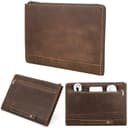
| CataPurus zip sleeve | Laptop sleeve, 14.2 in | 1 year | Not published |
| KomalC buffalo portfolio | Portfolio folder | Not published | Not published |
| Prospero reversible belt | Belt, 35 mm | Not published | Not published |
| BULL GUARD trifold | Trifold wallet | Not published | Not published |
Six of the seven publish a measured footprint, and one publishes an empty weight. Not one publishes a thickness. If you want the comparison in the other direction, our vegetable-tanned roundup applies the same disclosure test to the site’s namesake tannage, and best crazy horse leather goods does it for a finish rather than a grade.
How to buy top-grain well
Start from the format, not the grade word. Decide what the object has to do for ten years, then ask whether a uniform scratch-resistant surface helps or hurts that. Desk objects: helps. Pocket objects you want to age: hurts.
Then demand one checkable number beyond the grade. A footprint, a weight, a warranty term or a country. Six of these seven give you at least two. A listing that says top-grain and nothing else is a listing competing on a word.
Then expect a different kind of ageing and maintain accordingly.A coated top-grain surface will not absorb conditioner the way an uncorrected hide does, so less product, less often, is the right routine — how often to condition leather covers the schedule, and why leather cracks covers the failure mode you are actually preventing. A pigmented finish can also peel rather than crack, which is a different repair, and how to fix peeling leather is the page for it.
One closing note on method. We do not own any of these items and we have not tested them. Every specification above is read from a live listing on the date shown on each card, every price renders from the live price layer rather than a figure typed into this page, and no grade, thickness, warranty or country is asserted that a listing does not state. The full rules are on our methodology page.